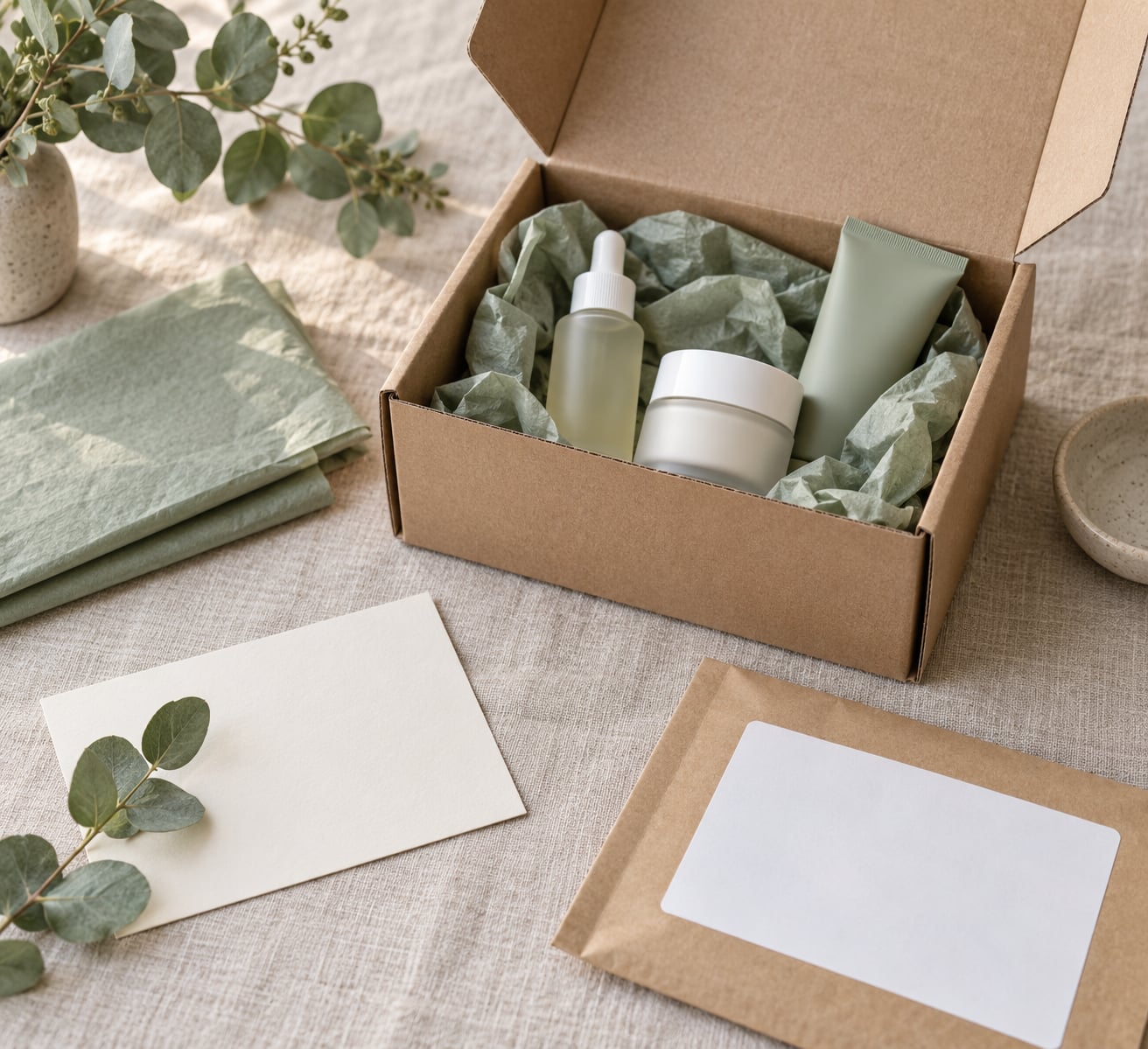
A product sample mailing program is a marketing program where a brand sends free or low-cost product to people who opted in, usually in exchange for feedback, a review, a social post, or a first purchase of the full-size product. Knowing how a product sample mailing program works matters whether you are applying for samples as a shopper or building one for a small brand, because nearly every question people ask about samples traces back to a decision the brand made first.
The short version: this is a paid media channel with a tight budget line and a fast feedback loop. The brand decides who it wants to hear from, collects their details, ships product, and then measures whether the trial turned into a purchase, a review, or a piece of content worth reusing.
Let’s start by untangling the language, because “sample” gets stretched across half a dozen different programs.
Table of Contents
- What Is a Product Sample Mailing Program?
- Why Brands Run Product Sample Mailing Programs
- How a Product Sample Mailing Program Works Step by Step
- What happens after you submit your address
- What Brands Usually Include in a Sample Package
- How Recipients Are Selected and Approved
- Why you qualified but nothing arrived
- How Shipping, Tracking, and Follow-Up Work
- How to Measure Whether a Sample Mailing Program Worked
- Pros and Cons for Brands, Publicists, and Recipients
- What the program delivers
- Where it goes wrong
- Frequently Asked Questions
- What companies will send free samples?
- How does a sample request actually work?
- Do I have to post or review a free sample I receive?
- Why did I qualify but never receive a sample?
- Are free sample mailing lists safe to sign up for?
- What to Do First
What Is a Product Sample Mailing Program?
A product sample mailing program is a marketing program in which a brand ships free or low-cost product to consumers, creators, or testers who have opted in, in exchange for feedback, a review, social content, or a proven first purchase of the full-size product. The sample is the cost of the introduction. Everything the brand wants back happens after the box arrives.
That last part is what separates sampling from its neighbors. In paid advertising, the brand pays for attention and gets a click. In affiliate partnerships, the brand pays a commission on a sale that would have happened anyway. In a sample mailing program, the brand pays for the product, the packaging, and the postage, and hopes the person who opens the box remembers it later.
Gifting and seeding sound similar but sit on a different line. Gifting is transactional — a discount code, a gift with purchase, a birthday perk. Seeding is closer to editorial: a publicist or a brand manager picks specific creators and press contacts and sends product with an open brief, sometimes with no obligation attached and sometimes with a request for coverage.
None of those are the same as try-before-you-buy, where you receive the full-size item, keep it only if you like it, and either pay for it later or return it. Some people search for “free samples” and land on a try-before-you-buy page. They are not the same thing, and the difference matters for your expectations.
Why Brands Run Product Sample Mailing Programs
Because a sample changes the economics of a first purchase. A stranger asking you to spend forty dollars on an unfamiliar serum is a stranger. Someone who already left a mini at your door is a brand you have a reason to look up. That shift is partly practical and partly behavioral, and the behavioral part is well documented.
Cialdini’s reciprocity principle is the one most people land on: receiving something unsolicited creates a felt obligation to respond. Two other effects do quiet work alongside it. Risk elimination says the trial costs nothing, so the decision to buy gets easier. The endowment effect means that once an item is physically yours — opened, held, used — you value it more than the identical item still sitting on a shelf.
Underneath the psychology, brands are buying six practical things:
- Product feedback before a big print run. Skincare and supplement brands routinely send a few hundred pieces to a panel before production. Texture complaints, scent notes, packaging friction, and confusing instructions all surface in week one instead of after the pallets ship.
- Earned coverage. A creator posting an unfiltered first impression is worth more to a brand than the same creator reading a script, because nobody can tell which one it was.
- Reusable content. Unboxing footage, texture shots, and routine videos built by real users give a brand an asset library for ads and product pages.
- Education on a complicated product. Anything with steps — a layered skincare routine, a setup-heavy gadget, a shade range — performs better when someone shows a beginner how it works.
- Audience segmentation data. The qualifying questions on the form tell the brand who actually cares. Skin type, hair texture, current routine, budget band, shade range.
- First-party data for the next campaign. An email address and a shipping address collected in exchange for a product is a list the brand owns, not a rented audience.
Some programs also exist to get a specific product in front of a specific niche. A dog brand cares far more about a mailing list of dog owners than about a general beauty audience, and will happily run a much smaller campaign to reach them.
How a Product Sample Mailing Program Works Step by Step
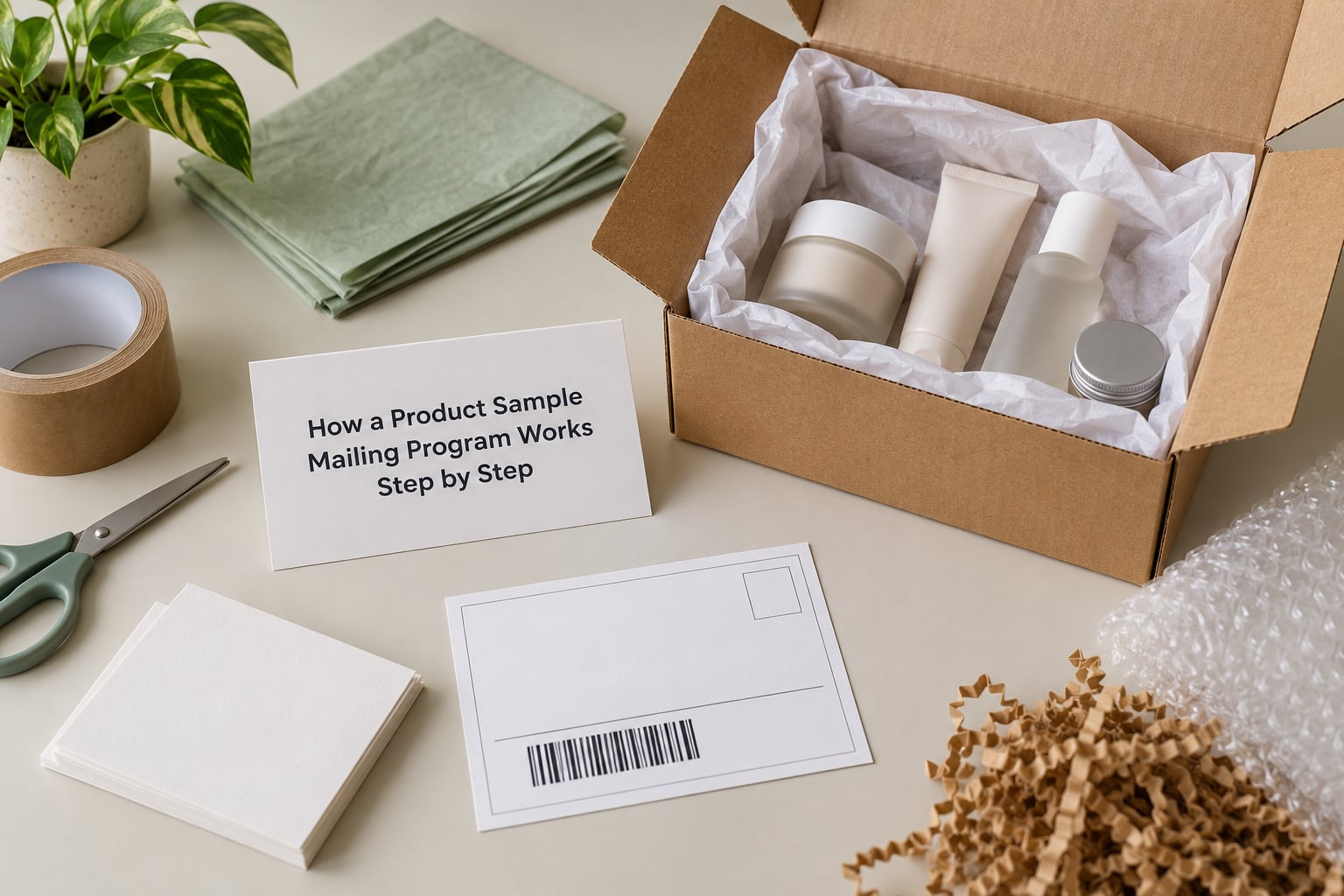
Here is the lifecycle, from the brand’s side. The same eight steps describe what is happening to you as a recipient, just in the other direction.
- Set the objective and the budget. Is this a launch program, a feedback panel, a creator seeding push, or a list-building play? The answer decides how many units get kitted and how the results get read.
- Define the recipient. Before a single application opens, someone writes down who this is for: category, skin or hair profile, follower range, geography, spend bracket. A profile that fits everyone selects nobody.
- Open the application or campaign. This is usually a landing page on the brand’s own site, sometimes a form inside an existing loyalty program, sometimes a sampling platform that handles the form and the fulfillment together.
- Screen submissions against the criteria. Human review, automated scoring, or both. The goal is to match the product to the person — the most common complaint in free-sample communities is a mismatch, not a delay.
- Select, confirm, and cap. Approved recipients get an email with terms attached. The brand simultaneously sets a hard ceiling on units, because the program was budgeted for a number, not a mailing list.
- Kit and personalize the package. Product is pulled from inventory, packed, given a personal note or label, and handed to a fulfillment partner or the in-house team.
- Ship and track. A tracking number goes out by email. From here the brand mostly waits, apart from the occasional replacement for a parcel that stalled or never turned up.
- Follow up and measure. A sequence goes out asking for a survey response, a review, or a post, and the brand watches for the sample-to-full-size purchase in its own data.
What happens after you submit your address
Your address goes into a pool, not a queue. Someone or something compares your answers against the recipient profile, and you either clear the bar or you do not. If you are accepted, the confirmation email is your receipt — read it, because that message is where the terms live.
If nothing arrives after an acceptance, the failure is usually operational rather than personal: the program hit its unit cap, the region is out of shipping coverage, the SKU sold out mid-run, or the response rate spiked so high the brand stopped sending. Only some of that is visible to you, which is why a silent program feels like a lottery.
What Brands Usually Include in a Sample Package
The contents vary more than you would expect, but the working parts are consistent across beauty, fashion, and CPG programs:
- The featured product in a sample or mini size, sometimes with a shade or scent range offered as a choice, sometimes with one specific variant preselected for you.
- Supporting pieces that make the hero product usable — a cotton round, a second step in a routine, a strap, a filter, a charger cable.
- A product card with the ingredient list, directions, price, and where to buy. This is the piece that converts, and it is usually the smallest thing in the box.
- Usage guidance written for a first-timer rather than someone who already owns the full product.
- A personalized note or printed label with the recipient’s name. Small touch, real effect on response rate.
- A campaign brief for creator and press recipients: what to focus on, what the honest limits of the product are, and what disclosure the post requires.
- Legal and safety material — ingredient statements, allergy warnings, patch-test guidance, and in some categories a signed agreement restricting what you may say publicly.
That last item is the one that catches recipients off guard. Community threads about sample programs keep turning up agreements with confidentiality clauses or requests not to post criticism. Nothing unusual about the document; unusual is how rarely people read it.
How Recipients Are Selected and Approved
Screening is where a sample mailing program decides whether it spends money or wastes it. The criteria stack up in roughly this order:
- Category fit. Does this person plausibly use the product at all? A dog product going to a cat owner is a wasted unit, and most brands consider it an avoidable one.
- Profile match from the questionnaire. Skin type, hair texture, shade range, current routine, budget band. This is the part that produces the “I asked for a matte formula and got a dewy one” complaints when it is done badly.
- Engagement and content quality for creator recipients — comments and shares, not just follower count.
- Brand safety. Existing public posts get read. Campaigns running through agencies tend to be strictest here.
- Geography. Some programs only ship domestically, and international sampling can eat the entire per-unit budget on postage alone.
- Purchase history. An existing customer sampling a new formula is a different bet than a first-time buyer sampling anything.
- Prior participation. Repeat applicants are often deprioritized so the budget reaches new people.
If you are a small creator, note that Follower minimums are less common than the internet suggests. A few thousand engaged followers in exactly the right niche can outperform a hundred thousand in the wrong one, because the brand is buying audience match, not reach. Direct outreach with a specific pitch tends to work better than waiting to be discovered.
Why you qualified but nothing arrived
Four reasons, in rough order of how often they come up: the program reached its unit cap, your region fell outside shipping coverage, the requested size was already used up, or the response rate ran so high the brand paused sends. A fifth reason is honest but frustrating — you were selected for a category the brand had already filled.
How Shipping, Tracking, and Follow-Up Work
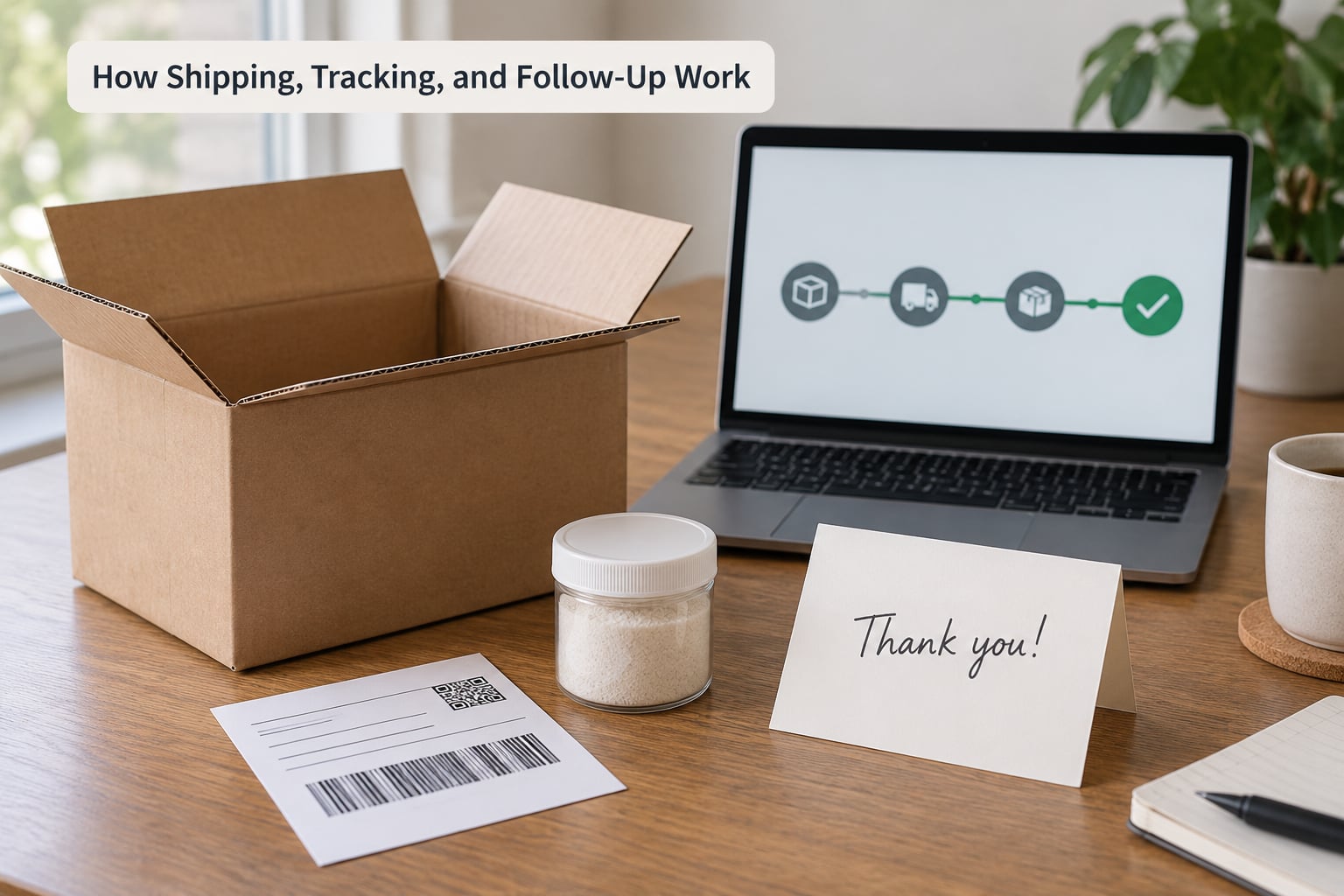
On shipping costs, the brand pays. It is part of the program budget, along with the product, the packaging, and any kitting labor. Nobody is billing you, and no legitimate program asks for bank or PayPal details to cover postage.
Tracking works the way you would expect: a number lands in the confirmation email and updates as the parcel moves. If a shipment stalls, the first move is usually a quiet replacement rather than a support ticket, because handling “where is my sample” emails costs a brand more than a second unit.
The follow-up sequence is where most programs reveal what they actually wanted. Typically it runs something like this:
- A delivery confirmation, usually automated, sometimes asking you to confirm receipt.
- A product feedback survey, a few days later, usually short.
- A review request, often with a follow-on incentive like a discount on the next order.
- A content request for recipients who agreed to it up front, with disclosure guidance attached.
That last step is where permissions get tested. Some agreements grant the brand the right to reuse your photos and posts in its own advertising, paid or unpaid. Others restrict you from saying anything negative at all. Both exist in the wild, and the difference is visible in the terms you were sent — if you read them.
How to Measure Whether a Sample Mailing Program Worked
Judging a program on social posts alone means judging it on its luckiest outcome. These are the numbers that actually tell you something.
| Metric | What it tells you |
|---|---|
| Delivery rate | Address quality and carrier performance; a low number quietly inflates your per-sample cost. |
| Selection-to-ship time | Whether kitting and inventory are actually staffed, or whether boxes are sitting in a warehouse. |
| Survey response rate | Whether the personalization landed and whether the product matched what was promised. |
| Content usage rate | Whether the brief was realistic. A very low rate usually means the ask was too big, not that creators were lazy. |
| Reach and engagement | What one unit of product bought in attention, compared against a paid placement of the same size. |
| Referral traffic | Whether the sample pulled in genuinely new people, not just activated people already on the list. |
| Sample-to-full-size conversion | The number the program usually lives or dies on, measured inside a fixed window after delivery. |
| Cost per sample and cost per placement | Total spend — product, kitting, postage, platform fee, follow-up — divided by parcels prepared and by usable content. |
One practical note on the last row: postage is the line item that surprises new operators most. It is often the single largest per-unit cost, which is why many brands cap geography, use a flat mailer rate, or move part of the campaign to digital sampling.
Pros and Cons for Brands, Publicists, and Recipients
What the program delivers
For brands, a sample is real product experience in someone’s actual home, which is where shade, scent, and texture opinions get formed honestly. The recipient relationship is a genuine try-before-you-buy, and the data collected alongside it belongs to the brand. Content made by real users carries more trust than a scripted ad, and the cost per contact is usually far below paid media for the same audience.
For publicists and creators, seeding is one of the few ways to put an unfamiliar product in front of an audience with an honest first impression attached to it. It also builds a relationship with a brand that lasts past one campaign.
For recipients, the sample is free, and the good versions of these programs match product to profile closely enough to be genuinely useful.
Where it goes wrong
The obvious one is money. Product plus packaging plus postage plus follow-up adds up fast, and a first order that would not have happened otherwise does not cover it. Sampling also produces uncertain coverage — you pay for the send whether or not anyone mentions the product.
Screening failures waste budget quietly. Send the wrong variant and you have spent a unit, a label, and a rate-limited first impression, and the recipient now remembers the brand as noise.
Disclosure obligations are a real friction point for creators. A post that reads as an ad because the platform flagged it, or that sits behind a restrictive agreement, can do more harm than the coverage is worth.
Resale and counterfeit activity follows any program with collectible packaging, which is why some beauty brands use serialized codes inside the carton. And physical sampling carries waste that digital trials do not, particularly when a campaign over-selects or a recipient never opens the box.
On the recipient side, the honest risks are handing over a home address to a brand you do not recognize, receiving something irrelevant to what you asked for, and agreeing to terms without reading them.
Frequently Asked Questions
What companies will send free samples?
Most beauty and skincare brands, fragrance houses, supplement companies, food and beverage CPG labels, pet brands, and stationery or lifestyle makers run their own programs. Bigger ones gate samples behind loyalty tiers, while smaller DTC brands often use a sampling platform or a publicistu0026rsquo;s seeding list. Search the brandu0026rsquo;s own site first, then category-specific sample directories.
How does a sample request actually work?
You submit an application through a brandu0026rsquo;s site, a loyalty program, or a sampling platform, and complete a short qualifying profile about the category, your preferences, and where you are. Your details go into a pool that gets screened against the brandu0026rsquo;s recipient criteria. If you are selected, a confirmation email arrives with the terms, and a kit is shipped to you.
Do I have to post or review a free sample I receive?
It depends entirely on the program, and the answer is in the terms you accepted. General consumer gifting programs usually ask for nothing beyond honest use, sometimes with a survey. Creator and press seeding programs commonly request a review or a social post, sometimes with disclosure language specified. Product testing panels almost always require written feedback. Read the agreement before the box arrives.
Why did I qualify but never receive a sample?
Most often the program hit its unit cap, your region was outside the shipping area, or the specific sample size sold out mid-run. Sometimes a high response rate triggers a pause. Another common reason is a category or variant the brand had already filled, even though your overall profile qualified. None of these mean your application was rejected outright, but none of them are visible to you either.
Are free sample mailing lists safe to sign up for?
Legitimate programs never ask for a payment, a credit card, bank details, or a paid membership to join, and they explain who is behind the offer before you submit anything. Check that the sign-up sits on the brandu0026rsquo;s own domain, read the privacy policy to see whether your address is sold, and distrust any offer promising a full-size product with no terms stated. If a page asks for payment to ship, close it.
What to Do First
If you are applying for samples, start with the brand’s own landing page rather than an aggregator, answer the qualifying questions honestly so the match improves, and read the terms email before the box arrives. That single habit answers most of the anxiety people have about sample programs.
If you are running one, write the recipient profile before you design the form. It is the cheapest decision in the whole program and the one that decides whether the rest of the budget buys feedback or just mail.