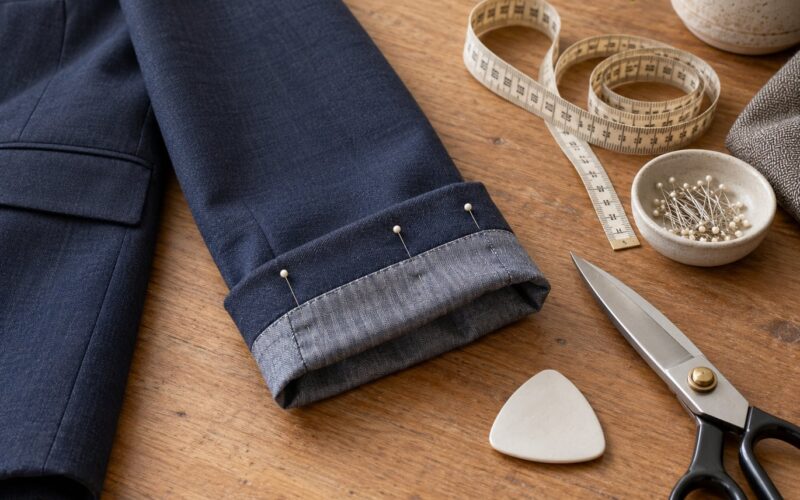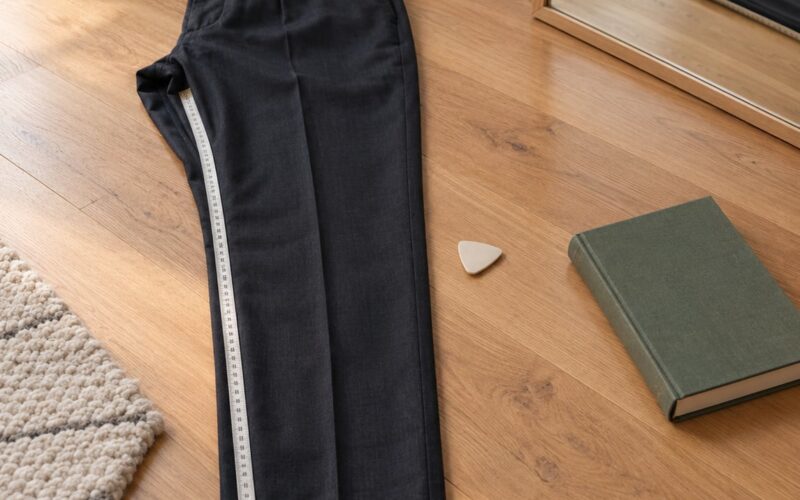
You find a good tailor the same way you find a good mechanic: through referrals from people whose taste you trust, then you test them with a small, low-risk job before you hand over anything expensive. Knowing how to find a good tailor and what to ask matters more than most people expect, because the difference between a skilled fitter and a fast one is obvious in the finished garment and almost invisible until then. Give the process about two to four weeks for a first relationship, and plan on a first appointment that runs 20 to 45 minutes.
A good tailor is plainspoken about what is possible, works in front of you rather than behind a counter, and writes down what they are going to do before they touch the garment. That is the whole game. Everything else is detail.
Table of Contents
- What You Need
- Step-by-Step: Choosing a Tailor With Confidence
- Step 1: Define the alteration before choosing a tailor
- Step 2: Research local options and read the evidence
- Step 3: Ask precise questions during the consultation
- Step 4: Judge the fit and communication
- Step 5: Confirm the plan in writing
- Step 6: Inspect the finished garment
- Common Mistakes
- Frequently Asked Questions
- What is the difference between a tailor and an alterations shop?
- How many fittings should I expect for a clothing alteration?
- Should I bring my shoes to a tailoring appointment?
- How much should I pay to alter a suit, dress, or pair of pants?
- What should I do if a tailor says an alteration will not work?
- How can I tell if a tailor has enough experience with my type of garment?
- Conclusion
What You Need
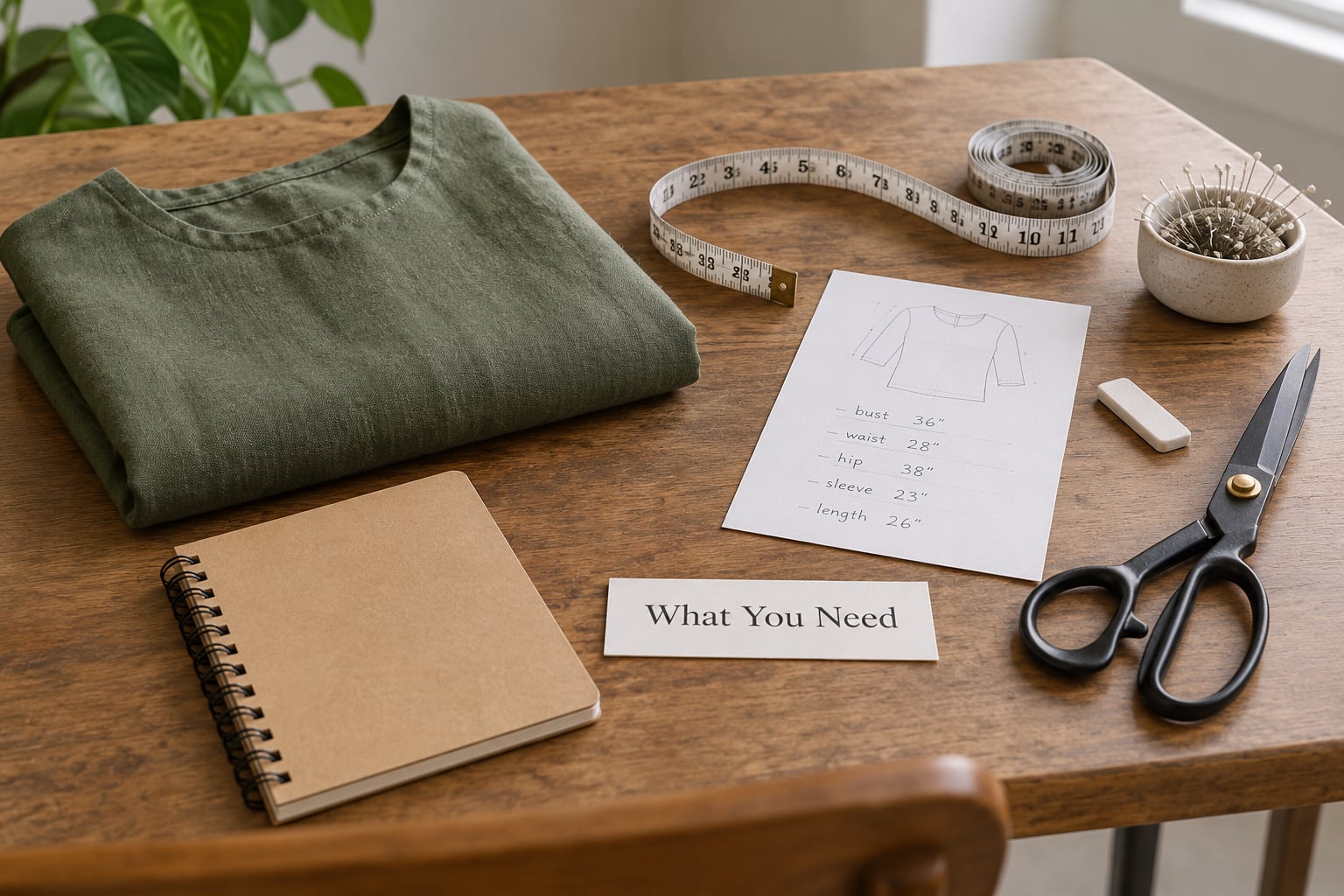
Bring the garment itself, not a photo of it. Almost nothing about an alteration can be discussed properly without the actual fabric in the room.
Here is what to gather before you walk in:
- The garment, unwashed if it has not been worn yet and clean if it has, because shrinkage changes what you are working with.
- The shoes you will actually wear with it. Trouser length is measured from the shoe, not from the floor, and pants hemmed to the wrong shoes will look wrong with everything else in your closet.
- A reference item that already fits the way you want: a jacket, a pair of trousers, a shirt you love. Pointing at a garment and saying this is my ideal is clearer than any description.
- Photos of the fit you dislike, front and side, if you are trying to explain something specific such as a pulling waistband or a bunched jacket back.
- Your timeline, including the date of the event the garment is for. Tell them the date before they tell you the turnaround.
- Your questions, written down. People forget what they wanted to ask once they are standing in a fitting room in a slip.
Know what the alteration actually is before you go: routine, like a hem or a sleeve shortening, structural, like taking in a waistband or reshaping a bodice, or cosmetic, like matching a pattern or replacing a lining. The category changes who you should be talking to.
Step-by-Step: Choosing a Tailor With Confidence
The order below matters. People usually reverse it, picking a shop off a map first and figuring out what they need afterwards, which is how expensive mistakes happen.
Step 1: Define the alteration before choosing a tailor
Write one sentence describing the finished result you want, in plain language. Not a shorter version: slimmer through the thigh without pulling at the knee, or close enough through the back that the jacket hangs flat when I stand up straight.
Then check feasibility yourself, roughly. Taking in a side seam usually works within three to four inches, more if there is generous seam allowance. Letting out a seam only works if fabric was left inside. Lengthening a hem is limited by whether the original hem is still sewn down. Shortening sleeves is usually easy; changing the pitch of a sleeve head, where the sleeve angles down from the shoulder, is a genuinely advanced job.
How you tell this step worked: you can state the goal in one sentence, and a tailor could repeat it back to you accurately after hearing it once.
Step 2: Research local options and read the evidence
Four sources produce most of the good leads. Start with people whose clothes you admire, then with the sales associates at high-end department and clothing stores, who are often the best referral source in a city because they know which alteration shop the store sends its work to and, crucially, which one it stopped sending work to. Styleforum posters point out the same thing from the other direction: the store associate knows the store’s own standards and who meets them.
Then read recent reviews with an eye on detail rather than stars. A review that says they explained why the collar gap was structural is worth more than ten that say great work. Watch for patterns in complaints: work handed to a subcontractor, staff who never measure you, rushed jobs.
How you tell this step worked: you have two or three names, and for each one you know something specific about their specialty, their turnaround, and who does the actual handwork.
Step 3: Ask precise questions during the consultation
These are the questions to ask a tailor, and the answers you want are specific rather than reassuring.
- How long have you been doing this, and who does my work? You want the person taking your measurements, not a counter staff member relaying them.
- What is your usual turnaround, and what does a rush job change? Rush work is usually fine for a surcharge. Rush work that skips a fitting is not.
- Is this alteration within normal limits for my garment, and what is the limit? Anyone who says a take-in is easy without asking how many inches you need is guessing.
- How many fittings will this take? A hem is one. A jacket taken in through the body needs at least two.
- Can you write the quote down before you start? If the answer is no, that is information.
- What would you do differently than what I asked for? This is the best single question on the list. It invites honest advice instead of obedience.
- What does my garment limit me from doing, and why? If the answer is not specific, they have not looked closely.
- Will I be able to try it on before it leaves? Some shops will only do a pickup fitting.
- Do you do this type of work regularly? Leather, knitwear, denim, structured tailoring, and bridal each have their own techniques.
Watch how they answer. A tailor who cannot give a straight answer to a technical question about their own craft is telling you something.
Step 4: Judge the fit and communication
A fitting should look like a conversation. The tailor pins while wearing the garment, moves you around, checks balance, and explains each pin in plain words before it happens. If you are being pinned without any check-in, stop the fitting right there. Reddit readers on r/malefashionadvice ask about this constantly, and it is the single most cited frustration: the tailor decides, the customer finds out at pickup.
One warning sign shows up in every discussion of vetting tailors. A good cutter talks about the garment in front of them. A bad one talks about the romance of craft, about famous clients, about other tailors they have no respect for. Styleforum regulars put it plainly: the best people they have worked with over the years are very plainspoken, and the worst behave like a salesperson.
Another warning sign is selling. A tailor who pushes clothing alongside alterations is building a different business.
How you tell this step worked: you were told something you did not know about your own garment, and you were asked before each change was pinned.
Step 5: Confirm the plan in writing
Before you leave, you should have on paper: the specific alterations, the quoted price, how much is due when and how much on pickup, the fitting dates, the expected completion date, and who to call if something changes.
Also get a straight answer on what happens if the result is not what you wanted. Most shops will re-fit a disputed alteration at no charge, but they will say so out loud once you ask. Tailoring quotes vary widely by city and by shop, so the written number is the only one that matters to you.
Step 6: Inspect the finished garment
Try it on at pickup, in the shoes you brought. Do not accept a garment handed over on a hanger.
Check five things. Turn it inside out: stitches should be even in length and spacing, thread ends trimmed and knotted rather than trailing, and no machine zigzag visible across a hem where someone tried to hide a raw edge. With the jacket buttoned, look in a mirror: the buttoning points should sit without a gap or a pull, and the collar should lie flat against the shirt. Move: raise your arms, sit down, reach forward. Walk and check that the trouser break breaks once over the shoe and not in a puddle. Compare it against your reference garment.
How you tell this step worked: the garment moves the way you described in Step 1, and nothing is loose, rippling, or pulling.
Common Mistakes
Choosing on price alone. The cheapest shop is cheap because someone else does the sewing. The fix: ask who is physically sewing your garment, and look at inside seams before you commit.
Skipping the fitting. Measurements tell a tailor nothing about how you stand. The fix: treat the fitting as part of the job, not an optional extra, and reschedule life around it instead.
Not describing the goal. Inches alone produce technically correct work that still looks wrong. The fix: bring the reference garment and describe the finished result in one sentence.
Letting the wrong area take the load. A jacket that pulls in the back should not be solved by narrowing the shoulders, and a tight waistband should not be fixed by shortening the pants. The fix: ask the tailor which seam or structure is causing the pull, and listen to the answer.
Accepting a vague timeline. If the date is not written down, it will move. The fix: get a completion date and a fitting date, both in writing.
Testing on a busy garment. A bold pattern hides seam quality. The fix, borrowed from Styleforum advice: start with a solid colour or a very small pattern, so you can actually see the cut.
Ignoring the body-shape exception. Standard blocks assume proportions many bodies do not have, and alterations cannot always create the silhouette you see in a photo. The fix: expect honest limits from a good tailor, and treat a clear no as better than a bad yes.
A few practical habits pay off over time. Keep every alteration receipt and note the shop and the fitter’s name, because the second job is usually easier to discuss if the person remembers the first. Bring a garment bag for anything you are having structured work done on. And do not ask for a specific fix without saying why you want it; the reason is what lets a tailor solve the problem instead of applying the standard patch.
Frequently Asked Questions
What is the difference between a tailor and an alterations shop?
A tailor designs and builds garments from measurements, and may also alter existing pieces. An alterations shop works almost entirely on clothing you already own: hemming, taking in, letting out, and reshaping. For ready-to-wear clothing that fits badly, an alterations shop is what you want. For a suit cut to your proportions, or something made from scratch, you need a custom tailor.
How many fittings should I expect for a clothing alteration?
A simple hem or sleeve shortening usually needs one fitting at drop-off and a try-on at pickup. Taking in a waistband or side seam takes two fittings, because the garment has to be pinned on your body and then re-pinned after the first seam is sewn. A jacket altered through the body needs at least two, sometimes three. If a shop only plans one fitting for a structural job, ask why.
Should I bring my shoes to a tailoring appointment?
Yes, if you are having trousers, jeans, or a skirt hemmed, and bring the shoes you will actually wear them with. Trouser length is measured from the shoe, and a hem cut for a flat shoe looks wrong with a boot or a heel. If you are undecided between two pairs, bring both. For jacket work you do not need shoes, but do bring the shirt you plan to wear underneath.
How much should I pay to alter a suit, dress, or pair of pants?
There is no single number. What you should do is insist on a written quote before work begins, and ask what is included if the result needs adjusting. Rates vary considerably by city and by shop, and complex work such as reshaping a bodice, relocating a buttonhole, or letting out a tight seam costs far more than a hem. Any quote you are given should cover both the labor and the specific risk to your garment.
What should I do if a tailor says an alteration will not work?
Ask for the reason before you react. A good tailor will point at the seam allowance, the original hem, the fabric, or the garment construction and explain the limit, because that is useful information. Push back once with specifics if you suspect the answer is wrong, and get a second opinion from another shop if it matters to you. What you should not do is insist. A clear no is safer than a rushed yes.
How can I tell if a tailor has enough experience with my type of garment?
Ask directly and then listen to the specifics. An experienced fitter will name the technique, mention the construction detail that makes your garment harder or easier, and tell you the realistic limit of the alteration. Ask to see similar work they have done, and ask whether they do that category regularly. For leather, knitwear, denim, or bridal, specialists exist and it is worth the extra trip.
Conclusion
Start this week, not when the event is next month. Take one garment you already own, bring the shoes you wear with it, and describe the finished result in a single sentence at a consultation. Ask the nine questions above, read the quote before you agree to anything, and judge the fitting on whether you were consulted and whether you learned something about your own clothing. Whoever passes those tests gets the wedding suit, the vintage coat, and the next decade of alterations.