A department store buyer meeting is a scheduled appointment where you present your line, pricing and terms to the person who decides what actually goes on their shop floor. To prepare well for a meeting with a department store buyer, you do three things: clear the vendor onboarding gate, research that specific store’s assortment gaps and buying calendar, then walk in with numbers, samples and a line plan built for their floor rather than yours.
Most first meetings are lost before the first sample is passed across the table. A buyer with a full calendar and a full category plan has no reason to make space for a brand that cannot tell them what a delivery window costs, or why a product earns its shelf space. Budget a solid week of focused work for a first meeting, and two to three days for an existing account review.
This guide walks through the whole process, step by step, for emerging fashion, beauty and lifestyle brands pitching their first department store door.
Table of Contents
- What You Need
- Step-by-Step: How to Prepare for a Meeting with a Department Store Buyer
- 1. Research the department store and buyer before you walk in
- 2. Define the buyer opportunity your line can fill
- 3. Build a brand story you can say in sixty seconds
- 4. Create a buyer-ready line plan
- 5. Plan the right samples
- 6. Prepare answers about pricing, delivery and volume
- 7. Rehearse the meeting and write the follow-up
- Common Mistakes
- Frequently Asked Questions
- What should I bring to a department store buyer meeting?
- How long should a department store buyer meeting last?
- What should I wear to a department store buyer meeting?
- How do I present samples to a department store buyer?
- What should I do after a department store buyer meeting?
- How long should I wait before following up if the buyer goes quiet?
- Conclusion
What You Need
You need documents and preparation, not a showroom. Get these in place before you start worrying about how the pitch sounds.
A buyer and store research brief. One page covering the store’s customer base, which categories are growing, who they already carry in adjacent price points, and the season they are currently buying. Three specific reasons for this meeting, written down, do more work than ten pages of general market research.
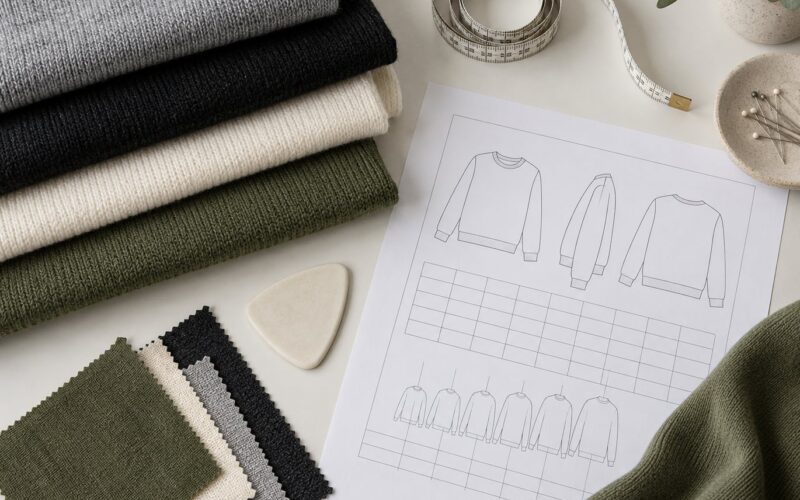
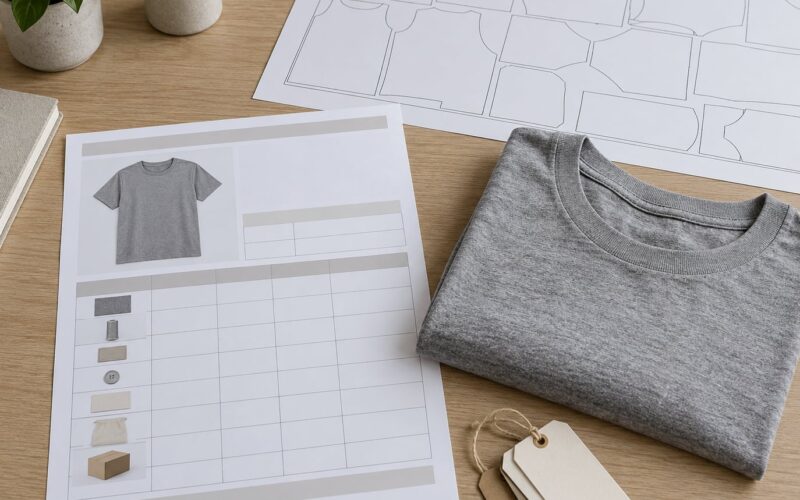
A line sheet. A line sheet is a one-page-per-style document showing style number, product images, fabric or material content, colour options, size range, wholesale price and MSRP. It is the document a buyer forwards internally, so build it to be forwarded rather than presented.
A wholesale price list and a terms sheet. Wholesale price per style, MSRP, the markup between the two, minimum order quantity per style, opening order value, lead time in weeks, delivery window, and payment terms. Written down, on one page, so nobody has to guess.
Sample inventory. The samples you will actually bring, plus a list of which ones you can ship if the buyer asks. Know your available sample quantities before the meeting, not during it.
A sixty-second brand story and a short deck. The story is spoken. The deck supports it and can be emailed afterwards.
A vendor onboarding packet. Registered business details, trademark status, proof of trading, website, insurance where relevant, and any certificates the category requires. Luxury doors in particular expect assurance of supply and, often, a representative based in the market the store serves.
A meeting kit. Notebook, printed line plan, pricing sheet, business cards, and a pen that works. Bring more samples than you think you need, because a buyer handling a garment is a buyer imagining it on a mannequin.
Step-by-Step: How to Prepare for a Meeting with a Department Store Buyer
1. Research the department store and buyer before you walk in
Review the store’s current customer base, its store locations, its merchandising priorities and its seasonal buying calendar. Then look at what sits next to where your product would go, in price and in style.
Turn that research into three specific reasons for the meeting. Something like a category gap you can fill, a price band they under-serve, or a customer segment they already sell to but do not currently serve in your product type. Vague reasons produce vague pitches.
How to confirm it’s ready: if you cannot name three gaps on their floor in one sentence each, go back to the research. A practitioner on UK Business Forums described luxury buyers taking hundreds of pitches a week and rejecting nearly all of them, which is exactly why a generic approach disappears into that pile.
2. Define the buyer opportunity your line can fill
Identify the customer, the product gap, the price architecture and the category position your line can credibly occupy there. A buyer’s job is category profit and loss, not brand admiration, so your line needs a slot in their plan and a reason it beats the alternative they could buy instead.
Work out where you sit against their existing assortment. Too close to an established brand and you are a substitute they already have. Too far outside their price architecture and you need a customer who does not walk through the door. The comfortable position is a clear gap you can hold.
How to confirm it’s ready: you can say, in one sentence, who buys this, what it does that their current product does not, and what it earns per unit. Practitioners who have sat on the buying side consistently say the things buyers reward are volume, margin and how your product complements what is already there.
3. Build a brand story you can say in sixty seconds
A brand story for a buyer meeting is not about your childhood or your inspiration board. It is four things in sixty seconds: who the customer is, what your design point of view is, why it is different, and why you can deliver it reliably.
Rehearse it until it is boring to you. If you lose the buyer in the first thirty seconds, the samples never get looked at properly. Buyers have told practitioners that the story on its own does not carry the meeting, but a clear one stops them from wondering what they are actually looking at.
How to confirm it’s ready: say it out loud to someone who is not in fashion. If they can repeat back the customer and the difference afterwards, it works. Cut anything they cannot repeat.
4. Create a buyer-ready line plan
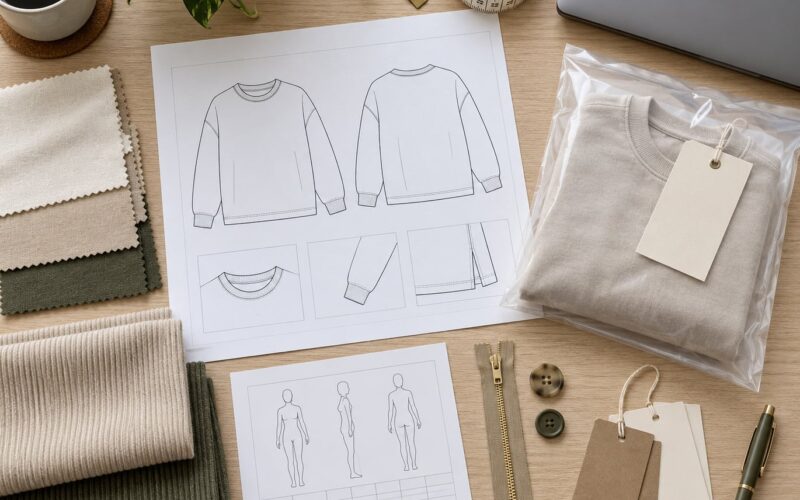
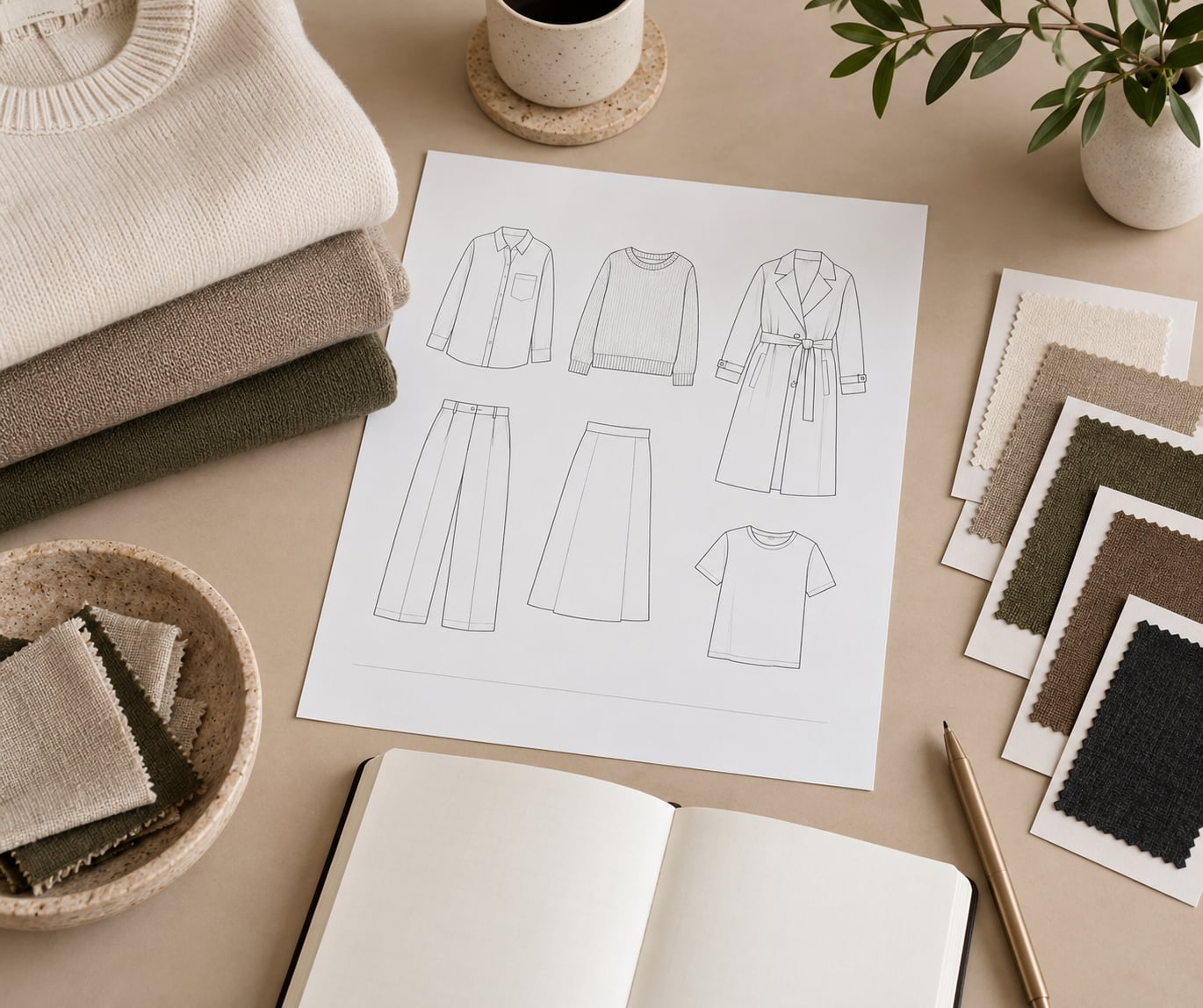
Organise the proposed assortment by launch timing, hero product, complementary items, colour story, size range, and expected wholesale and retail pricing. Buyers plan doors, so your plan should show a door, not just a collection.
Keep it disciplined. A strong line plan names one or two hero styles that carry the story, supporting pieces that build a full outfit or a shelf set, and a clear colour story across the range. Then state what you would propose as an opening order in that specific store, sized to what they can realistically sell.
How to confirm it’s ready: you can point to a specific set of styles, a specific quantity and a specific delivery window, and justify why that quantity is realistic rather than optimistic. A line plan that cannot be translated into an opening order is a mood board.
5. Plan the right samples
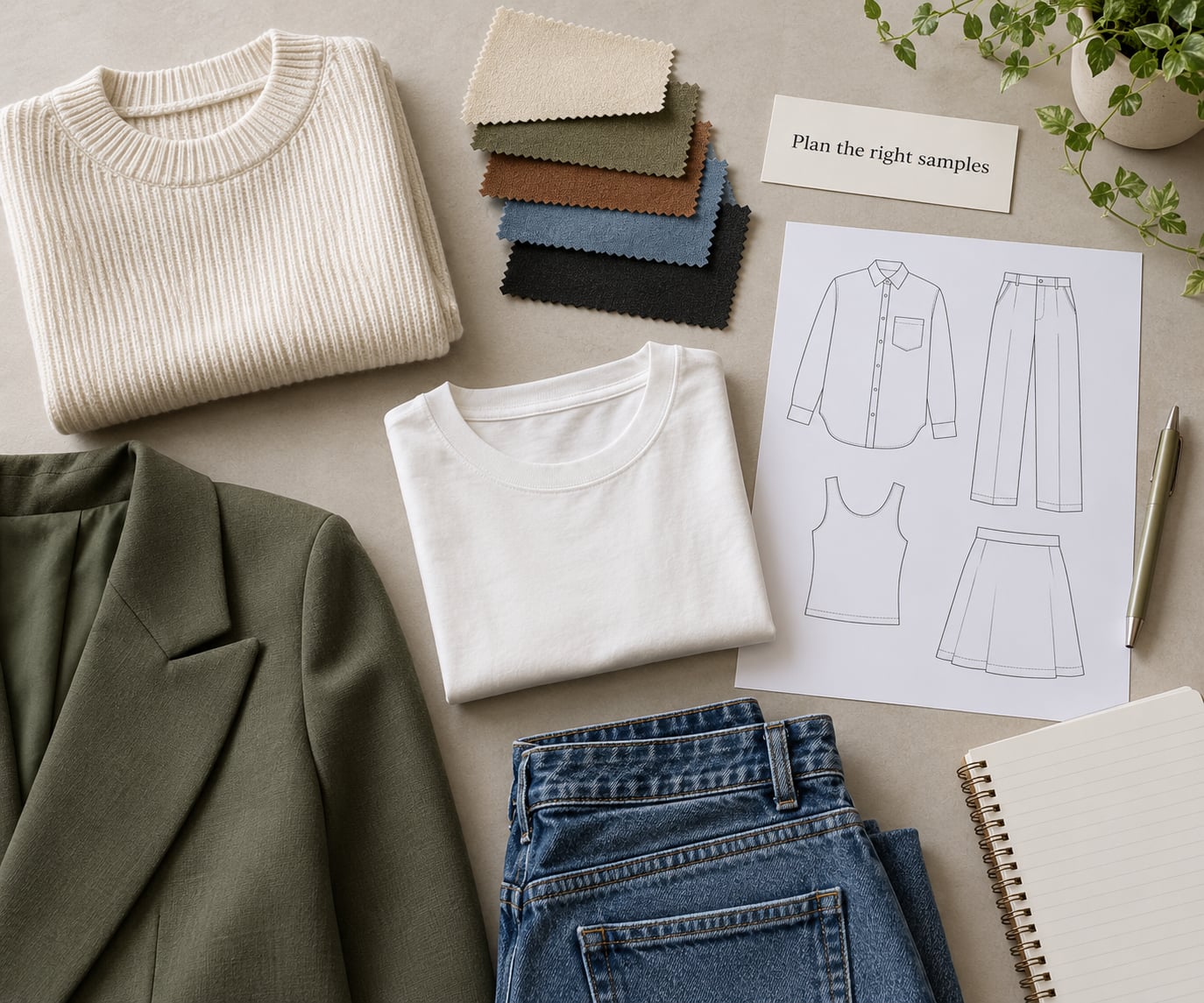
Select a limited number of samples that show your strongest design idea, the breadth of your range, the quality of your make, and the commercial potential. Six to ten well-chosen pieces beat twenty-five that dilute the point.
Sequence them in the order of your story, not the order they came off the rail. Hero piece first, supporting pieces next, colour story last. Have each sample’s wholesale price and MSRP in your notebook so you can answer a price question without breaking the flow.
Bring samples that are finished to a sellable standard. Loose seams, unpressed hems or an unfinished label tell a buyer you have not done this before. Send samples to three to five days ahead of the meeting if the buyer has asked for review time, with a prepaid return label and a note of the return date.
How to confirm it’s ready: each sample has a style number, a wholesale price, and a place in the line plan. You know exactly which samples you can ship after the meeting, and at what cost to you.
6. Prepare answers about pricing, delivery and volume
Know these numbers cold, because they are the questions you will actually be asked.
Have your answers ready for wholesale price and MSRP, minimum order quantity per style, opening order value, lead time in weeks, delivery window, production capacity, payment terms, returns, and what happens if you miss a delivery date. Write the ones you do not have an answer for on a separate list, with the date you will get the answer.
| Number | What to know before the meeting |
|---|---|
| Wholesale price | Per style, with volume breaks if you offer them |
| MSRP | Per style, and the markup percentage between the two |
| MOQ | Per style and per colourway, and whether it applies to an opening order |
| Opening order | A specific proposed quantity for that specific store, not a vague minimum |
| Lead time | Weeks from confirmed purchase order to ready goods |
| Delivery window | The specific door date your lead time supports, by season |
| Payment terms | What you can absorb, and how that changes your cash position |
Know the difference between net 30, net 45 and net 60. Net terms mean the store pays that number of days from the invoice date, so a net 60 arrangement means your production money is out of your account roughly two months before the money comes back in. Practitioners who work with big retailers consistently flag longer payment terms as the main cash-flow risk in the deal, and one supplier noted that companies worth many millions have come unstuck over a single order from a large retailer.
Know what you can refuse too. Consignment or sale-or-return without a cap, open-ended exclusivity, uncapped markdown allowances, and a charge to buy in are all terms worth taking away and reading rather than agreeing to on the day.
How to confirm it’s ready: you can answer any of those eight questions in one sentence without checking anything. Anything you cannot answer has a named owner and a date.
7. Rehearse the meeting and write the follow-up
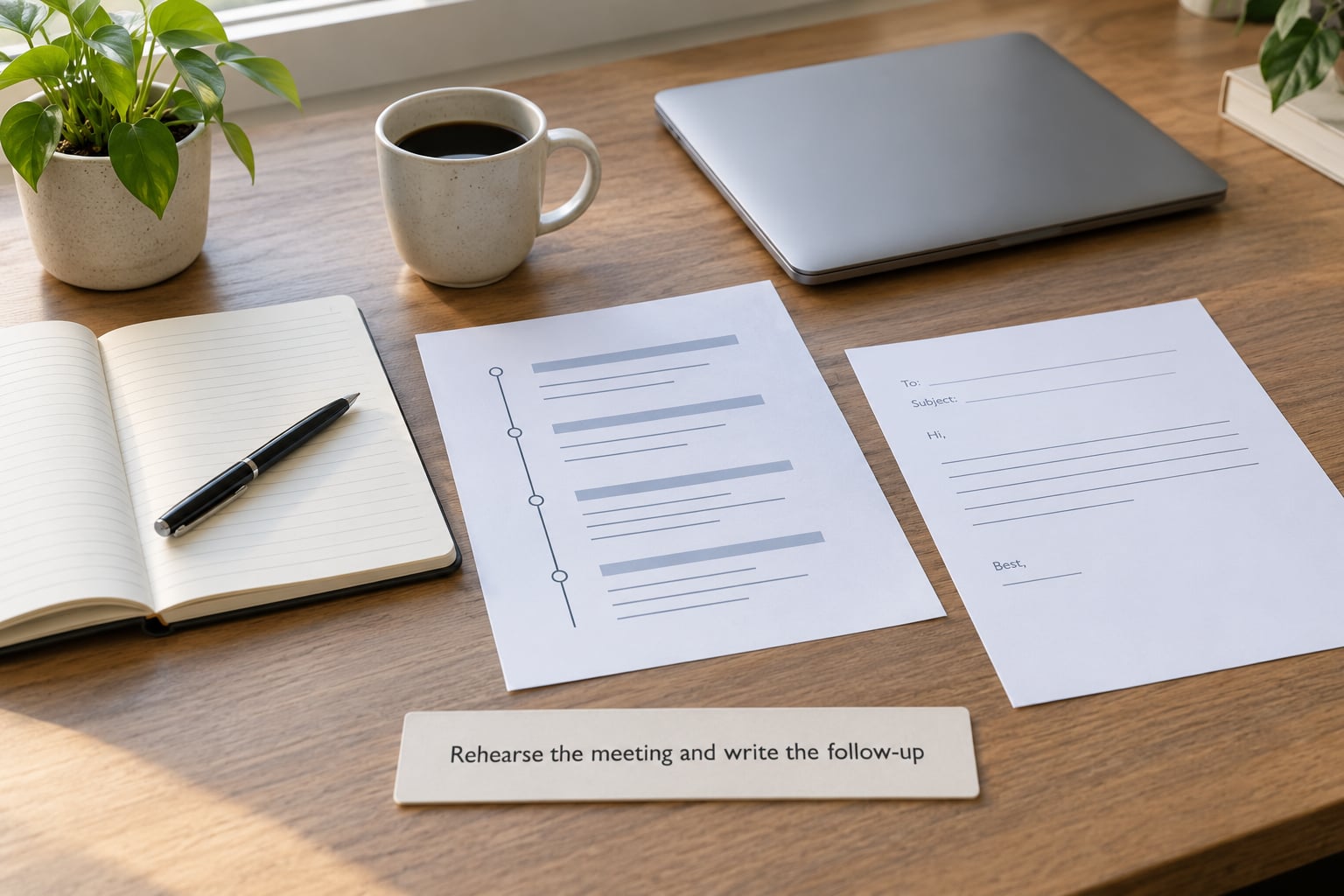
Rehearse the whole meeting out loud against a timer. Most first meetings get ten minutes before someone is called away, so rehearse the ten-minute version: a short introduction, who the customer is and what the range does, your numbers, the opening order you are proposing, and a clear ask.
Write the follow-up before you go in, while you know exactly what you want to say. After the meeting you will be tired and you will be tempted to write four paragraphs of gratitude. Have a one-page outline ready with the products discussed, pricing, timing, who else is involved, and next steps.
| When | What you send |
|---|---|
| Same day | A short thank-you naming the specific styles and the person you spoke to |
| Within 48 hours | The recap: products, pricing, proposed opening order, delivery window, open questions with dates |
| One week | Anything promised that is not yet sent, then a clear next step such as a revised range or a sample dispatch |
| Sample dispatch | Tracking details, the return label, and the date you would like the samples back |
How to confirm it’s ready: your follow-up draft already contains the three things you most want agreed in the room. You change the details afterwards, not the structure.
Common Mistakes
Bringing twenty styles to show range. Buyers cannot place twenty styles on a floor. Bring a tight selection and a line plan that explains what the rest of the range does.
Leading with the brand story instead of the commercial case. Sixty seconds on the customer and the difference, then numbers. Practitioners hear constantly that the story does not carry the meeting on its own.
Not knowing the buyer’s calendar. Buyers work to a seasonal buying schedule with fixed door dates. Showing up outside it is not persistence, it is wasted time. Ask which season they are currently buying before you agree a meeting date.
Vague numbers. No MOQ, no lead time, no proposed opening order. The buyer will assume the worst. Write real figures on one page.
Agreeing to terms in the room to keep the account. A supplier to Harrods described saying no to requests for free extras and refusing a bespoke range unless it was paid upfront, and kept the account, because the product was wanted. Almost anything you can defer, you should defer.
Failing to check vendor onboarding first. Registration, trademark, proof of trading and financial readiness can block you before the meeting even happens. Some doors also expect a representative based in the market they serve, which takes months to arrange.
No follow-up, or a vague one. The recap with specific products, pricing, timing and next steps is the difference between a conversation and a file that gets moved on.
Treating a no as a personal verdict. Buyer decisions run on sell-through and space. A no at one door is a gap to close before the next appointment, and plenty of brands start with a lesser-known store to build sell-through proof.
A few shorter tips. Dress for the buyer, not for the fashion show, and lean towards business casual with a city-store polish. Send your deck the day before so they are not reading it while you talk. Bring nothing that breaks instantly. And when you are asked something you do not know, say so and give a date, because buyers trust honest answers over confident guesses.
Frequently Asked Questions
What should I bring to a department store buyer meeting?
Bring a line sheet, a wholesale price list with MSRP, a one-page line plan, a small edited selection of samples, and your vendor onboarding documents. Add a notebook with style numbers and prices so you never have to guess mid-sentence. Send the digital deck the day before, and know which samples you can ship afterwards if the buyer asks for review time.
How long should a department store buyer meeting last?
Assume ten minutes of focused attention and plan for that. Buyers are usually booked back to back, often with a larger appointment on the same trip, so a tight ten-minute pitch that ends on a clear next step beats a thorough forty minutes that gets cut off. Put the detail in the line sheet and follow-up instead of in the room.
What should I wear to a department store buyer meeting?
Business casual, chosen for the store’s world rather than yours. If you are meeting in a fashion-led store, your clothes are part of the impression, so wear something you would actually put in your own line. Keep it quiet, well fitted and comfortable enough to stand in for an hour. Nothing that needs adjusting while you talk.
How do I present samples to a department store buyer?
Sequence samples in the order of your story: hero piece first, supporting pieces next, colour story last. Say the style number and wholesale price as you hand each one over, and say what it does for the range rather than describing the fabric. Let the buyer handle it. Present six to ten pieces well instead of laying out twenty-five and losing the room.
What should I do after a department store buyer meeting?
Send a short thank-you the same day naming the specific styles you discussed, then a full recap within 48 hours covering products, pricing, the proposed opening order, delivery window and every open question with a date attached. Within a week, send anything you promised, such as a revised range or revised numbers, and propose the next concrete step.
How long should I wait before following up if the buyer goes quiet?
Wait about a week after your recap, then follow up once with something useful rather than a reminder, such as a revised delivery window or an extra sample. If there is no reply, try once more a few weeks later. Buyers’ calendars are seasonal and slow, so silence often means timing rather than rejection, but persistent chasing never wins an account.
Conclusion
Preparation for a department store buyer meeting comes down to a chain: clear vendor onboarding, research the store’s floor and calendar, define the gap your line fills, then walk in with a line plan, real numbers and a small set of excellent samples.
Start today with the three things that matter most. Write your research brief and find three specific gaps in their assortment. Then finalise one page of numbers and choose the six samples that make your case. Everything else in this guide hangs off those three pieces of work.