Scalp massage is a few minutes of gentle fingertip pressure that moves the skin over the skull, and it is the easiest hair-care habit to keep because it needs nothing but clean hands. If you have never done one, here is how to do a scalp massage for hair growth: sit somewhere comfortable, part your hair into small sections, and use flat finger pads in small circles across the whole scalp for five to ten minutes. That is the whole method. The rest is knowing how hard to press, which mistakes tangle or irritate hair, and how often to repeat it.
I want to be straight with you about expectations before we get into the steps. Massage is a supportive habit for scalp health and scalp comfort. It is not a treatment for hair loss and it does not replace anything a doctor prescribes, including minoxidil.
Table of Contents
- What You Need
- Step-by-Step: How to Do a Scalp Massage for Hair Growth
- Step 1: Prepare Your Hair and Scalp
- Step 2: Use Your Fingertips, Not Your Nails
- Step 3: Massage in Small Circular Motions
- Step 4: Move Across the Entire Scalp
- Step 5: Finish Slowly and Handle Hair Gently
- Common Mistakes
- How Often Should You Massage Your Scalp?
- Frequently Asked Questions
- Do scalp massages actually increase hair growth?
- How often should I massage my scalp and how long should each session be?
- Should I use oil when massaging my scalp?
- Is a scalp massager better than my fingers?
- When should I see a doctor instead of massaging my scalp?
- Conclusion
What You Need
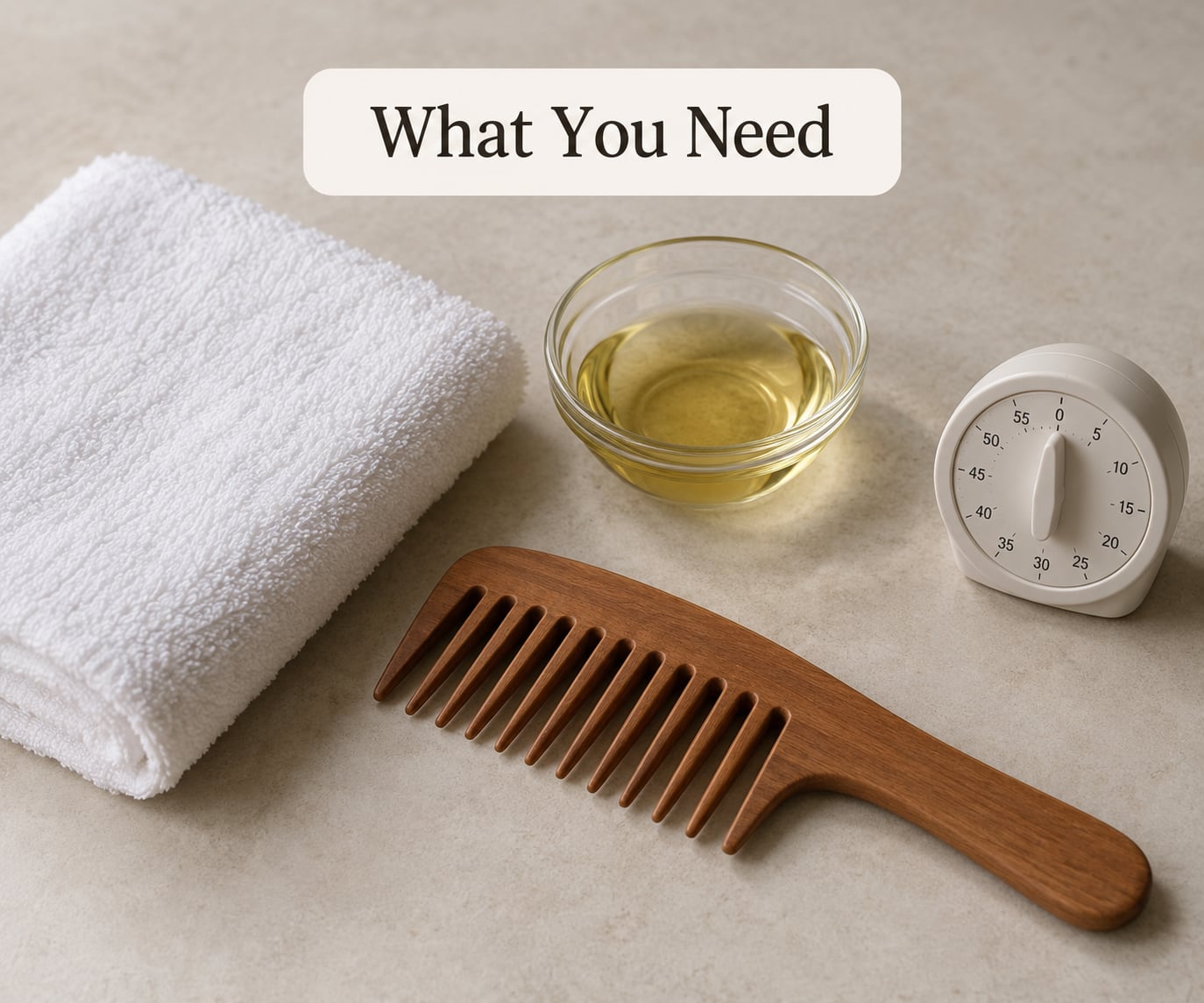
Very little. Clean hands, a chair or bed where you can sit or lie back, and five to ten minutes that nobody will interrupt you for.
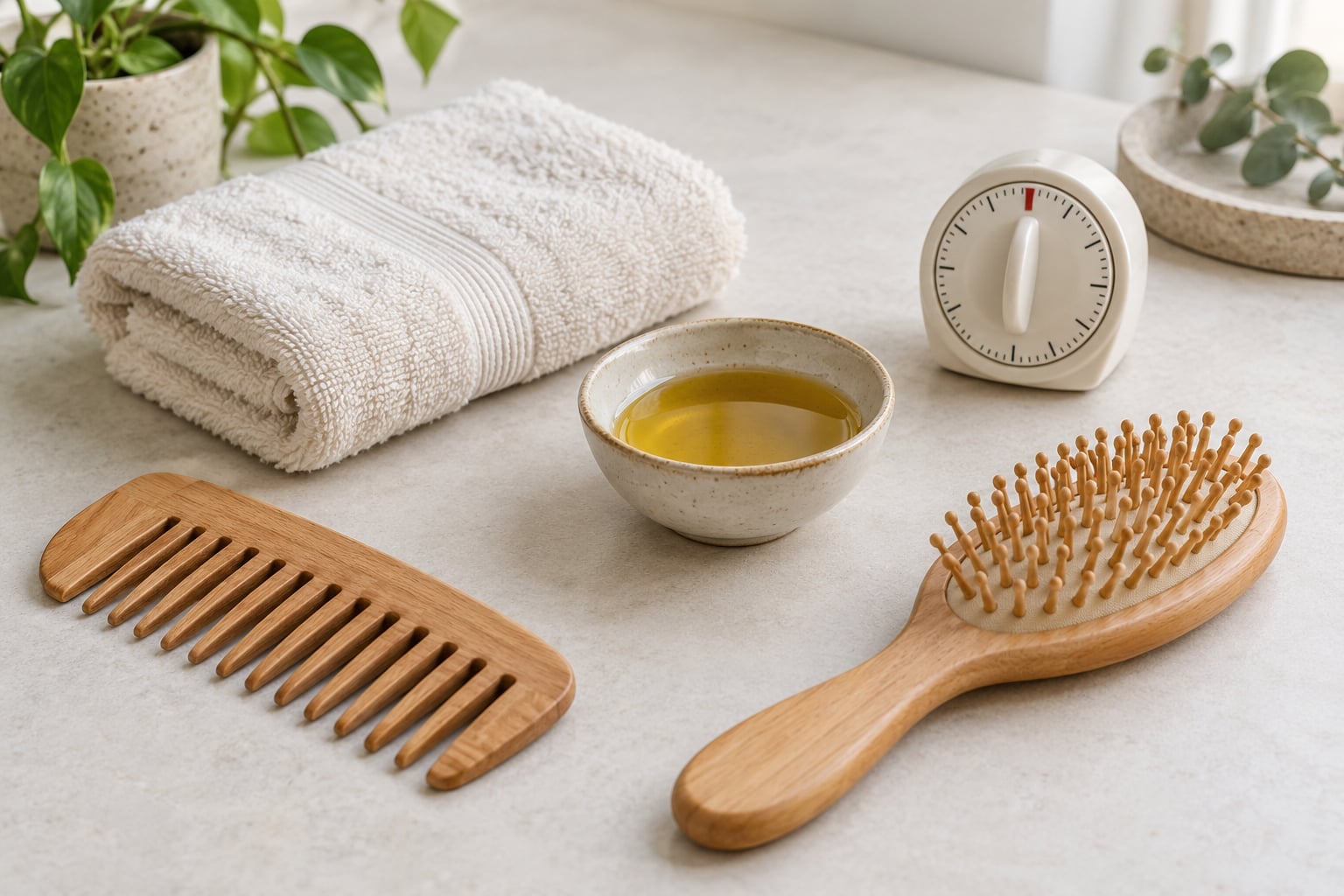
Two optional extras are worth knowing about. A wide-tooth comb lets you section the hair cleanly so your fingers reach the scalp instead of getting lost in the strands. A small amount of scalp-safe oil makes the glide easier and works well as a pre-wash treatment, though plenty of people do the whole routine on dry hair.
Handheld tools exist too, silicone massagers and wooden brushes being the common ones. They cover more ground in less time and are kinder to a sore wrist, but fingers give you the best pressure feedback, which matters more than people expect.
One thing to sort out before you start. If oil is part of your routine, patch test it on a small area of scalp first and wait a day. Fragrance and essential oils are common sources of contact irritation, and a reaction on the scalp shows up as itch and flaking that looks a lot like the dandruff you were trying to fix.
Step-by-Step: How to Do a Scalp Massage for Hair Growth
Step 1: Prepare Your Hair and Scalp
Sit with your head supported or lie back, neck neutral. If your hair is tangled, work it through with a wide-tooth comb first, but only if it feels comfortable. Massaging a knot just tightens it.
Part your hair into sections roughly the width of your fingers. That exposes scalp so your finger pads land on skin, not on hair. Dry hair works, and lightly damp hair works too. Skip soaking wet hair, because tangling and pulling are much more likely then.
Step 2: Use Your Fingertips, Not Your Nails
Use the flat pads of your fingers, three or four of them, with your hands soft. Imagine pressing a knit blanket into dough. You are moving skin, not digging into it.
Keep nails short and skip rings that catch. Pulling, scratching and digging are the three movements to avoid, since they tug at hairs that are still attached and can leave the scalp tender for hours afterward.
Step 3: Massage in Small Circular Motions
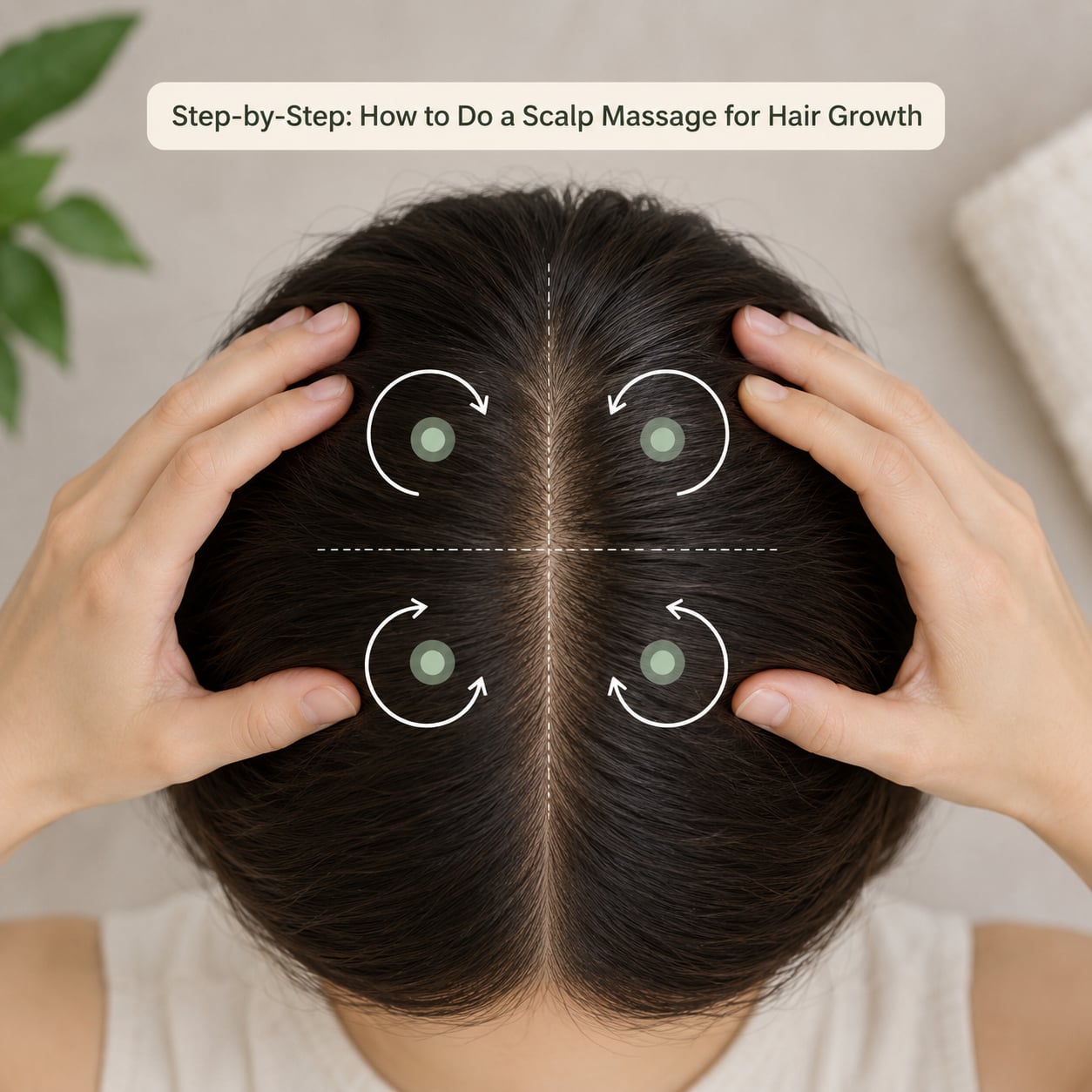
Make small circles about the size of a coin, moving the scalp gently over the bone underneath. Pick up a section, work it for about fifteen seconds, then shift sideways to the next section without lifting your fingers off the head.
Pressure should sit somewhere between a slow head rub and a firm knock. If you are wincing, it is too much. The goal is the feeling of a calm scalp afterwards, not a workout.
Step 4: Move Across the Entire Scalp
Scalps get attention in one place, usually the crown, and everywhere else gets ignored. Work in a simple loop so nothing is missed: back of the skull at the base of the neck, up both sides behind the ears, over the crown, then along the front hairline and temples.
Spend more time on areas that feel tight or sore than on areas that feel fine. That is usually where a day of tension sat. Do the same loop twice and you have covered the head properly.
Step 5: Finish Slowly and Handle Hair Gently
Ease the pressure rather than stopping abruptly. Loosen any tight hair ties by sliding the band out rather than pulling, and leave the parting line as you found it.
Skip vigorous styling right after. Pat your hair dry with a towel instead of rubbing, and if you use oil, rinse it out after a short sitting. Learning how to do a scalp massage for hair growth is half the work. What you do in the five minutes afterward decides whether you undo it.
Common Mistakes
Pressing too hard. Hard pressure feels more productive and is not. You want a relaxed hand moving skin, not pressure you can feel tomorrow. Ease off until the scalp feels worked rather than bruised.
Using nails. Fingertips spread pressure across a wide area. Nails concentrate it into a point, which is exactly what you do not want on follicle openings.
Skipping the hairline. The front hairline and temples get the least time and are easy to reach. Sweep them last with light circles so they are not forgotten.
Massaging soaking wet or matted hair. Water plus friction pulls strands. Massage before you wet your hair, or on hair that is merely damp and fully detangled.
Overworking one spot. Ten minutes of circles on the crown is not balanced. It leaves a tender patch and does nothing for the rest of the head.
Expecting fast results. Hair grows slowly, and any change shows up in a photo taken weeks later, not in a week. People who quit at two weeks are the ones who say it does not work.
Two habits pair well with massage. Keeping your scalp clean matters, since product and oil buildup sits right where you are pressing. And detangling before you massage rather than after keeps the whole session comfortable.
How Often Should You Massage Your Scalp?
Most people settle on somewhere between three times a week and daily, with sessions of four to ten minutes. Daily short sessions suit the studies better than occasional long ones, and doing it before a shower tends to survive contact with a busy week.
Consistency matters more than intensity. Four comfortable minutes most days will do more for your scalp than one aggressive twenty-minute session on Sunday.
Skip massage and contact your doctor or dermatologist if you have open wounds, a scalp infection, active inflammation, a recent procedure, or an area that is painful to the touch. Also get checked rather than massaging if shedding starts suddenly, comes in patches, has not settled in a few months, or comes with scalp pain, itching or flaking. If you are already on a prescription for hair loss, keep following it and ask the prescriber how massage fits in.
Frequently Asked Questions
Do scalp massages actually increase hair growth?
Evidence is promising but modest. In a study of adults with androgenetic alopecia, about four minutes of daily scalp massage over 24 weeks was linked to hair thickness moving from roughly 0.085 mm to 0.092 mm and around 32 percent less shedding. Massage is a supportive scalp-care habit, not a replacement for medical treatment.
How often should I massage my scalp and how long should each session be?
Three times a week is a reasonable floor, and daily four to ten minute sessions suit the research better than rare long ones. Pick a moment you will actually keep, such as before showering, and aim for even pressure rather than force. Stop if the scalp feels tender or sore afterwards.
Should I use oil when massaging my scalp?
Oil is optional. It makes gliding easier and works well as a pre-wash treatment, but dry-hair massage is fine too. If you use oils, dilute essential oils properly in a carrier oil rather than applying them neat, patch test first, and rinse out after a short sitting to avoid buildup.
Is a scalp massager better than my fingers?
Both work. Fingers give you the clearest sense of pressure and are always available, while a silicone massager covers more ground evenly and is easier for a sore wrist. Whichever you pick, clean it after each use, since tools move oil and dead skin across the scalp.
When should I see a doctor instead of massaging my scalp?
See a doctor or dermatologist if shedding begins suddenly, comes in patches, has not settled within a few months, or comes with pain, itching or flaking. Also skip massage over open wounds, infection, active inflammation or recent procedures. Medication for hair loss belongs with your prescriber.
Conclusion
Start tonight with five minutes of small circles using flat finger pads, moving the scalp over the skull and covering the whole head once. Keep the pressure comfortable, go daily or most days, and take a photo of your part line every four weeks so you can see change instead of guessing at it.
Treat it as a supportive scalp-care habit that also happens to be relaxing, not a guaranteed fix for hair loss.