To use dry shampoo correctly, start with fully dry hair, hold the can 6 to 10 inches away, spray short bursts onto the roots only, let it sit 2 to 10 minutes, then massage the scalp and brush out the residue. Most people get a greasy, chalky result because they spray too close, use too much, or skip the wait.
Dry shampoo is a styling shortcut, not a cleanser. It absorbs sebum so you can extend a blowout by a day, get through a sweaty commute, or reset a flat root before photos. Used well, the result is hair that still moves. Used badly, it looks like dust on your shoulders.
Updated October 2026.
Table of Contents
- What You Need
- How to Use Dry Shampoo Correctly: Step-by-Step
- Choose the Right Amount for Your Hair
- Apply It at the Roots, Not the Ends
- Massage and Let It Absorb
- Blast, Shape and Finish
- Common Mistakes
- When to Wash Instead of Using Dry Shampoo
- Different Hair Types and Textures
- Frequently Asked Questions
- Can you use dry shampoo every day?
- Is dry shampoo better on wet or dry hair?
- How do you get dry shampoo buildup out of your hair?
- Does dry shampoo cause hair loss?
- Should you use dry shampoo at night or in the morning?
- Does dry shampoo work on all hair types?
- Conclusion
What You Need
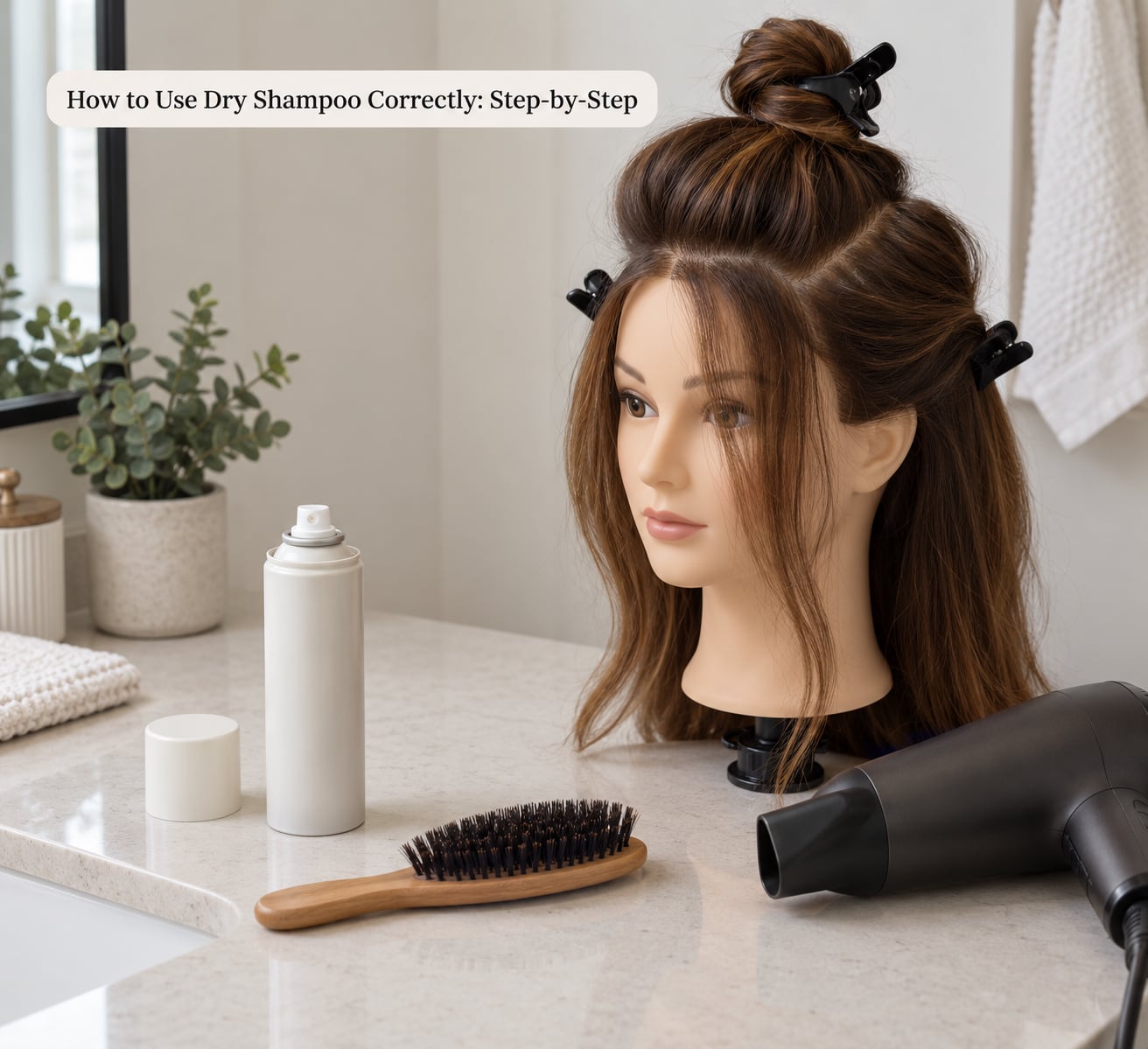
The kit is small. Most people already own everything except the dry shampoo itself.
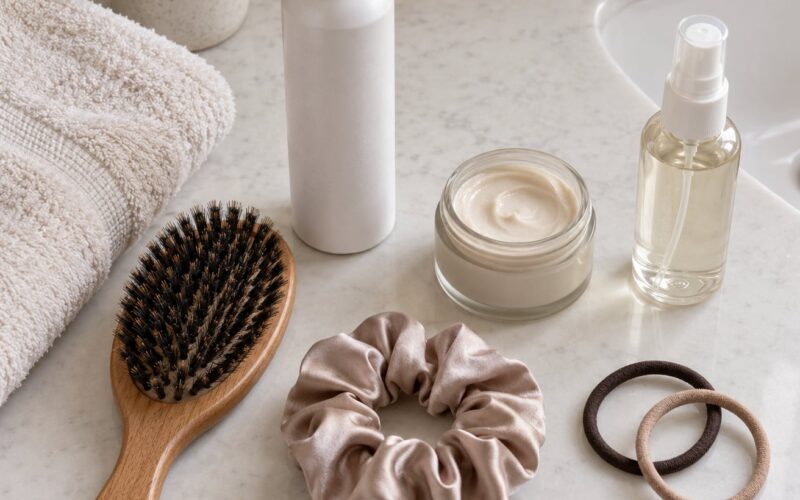
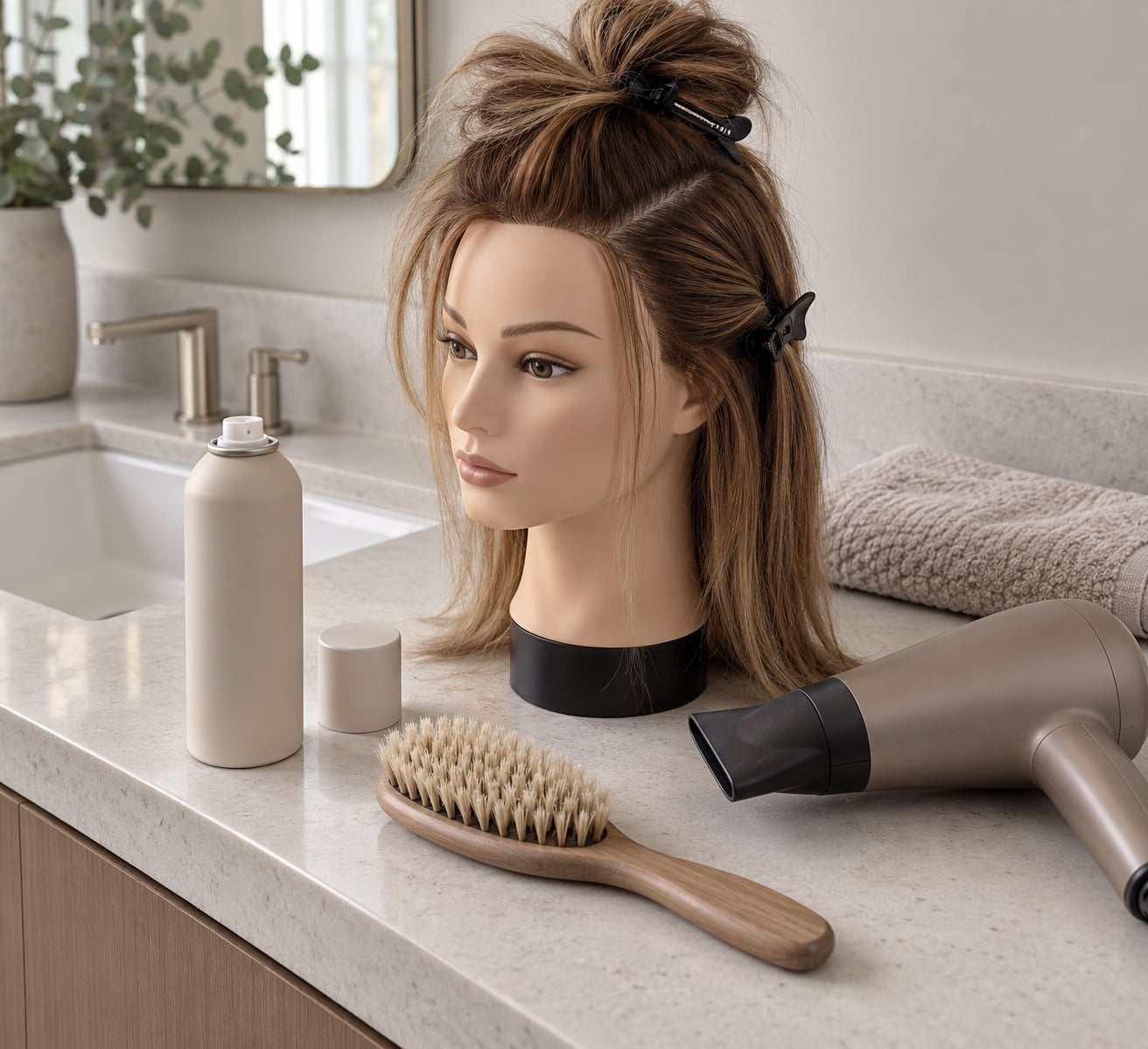
- Dry shampoo: an aerosol, powder or waterless foam. Aerosols cover more ground, powders are stronger, foams land closest to the scalp.
- A brush that matches your hair: a boar-bristle brush for straight or wavy hair, a wide-tooth comb or soft brush for curls and coils.
- A blow dryer on the cool setting: this is what turns coated roots into lifted roots.
- A light styling product: a lightweight mousse, texturizing spray or volumizing spray applied to dry lengths after the powder is gone.
- Clean, dry hair and two mirrors: a wall mirror plus a handheld one makes the back of your roots visible while you spray.
How to Use Dry Shampoo Correctly: Step-by-Step
Choose the Right Amount for Your Hair
A light refresh and a full-volume application are not the same job. For a refresh on fine hair, one to two shakes over each section is plenty. For thick hair, three or four short bursts per part before you move on.
Start at the back of your head, where you cannot see what you are doing, and work forward. If you are not sure, remember that more product rarely means more volume. Past a certain point the hair stops looking lifted and starts looking coated.
Apply It at the Roots, Not the Ends
Section your hair into 1 to 2 inch parts, lift each section at the scalp with your fingers, and spray into the roots and along the part lines. Hold the can 6 to 10 inches away from your head and use short bursts rather than one long press.
The mistake stylists complain about most is spraying straight down onto the scalp. A concentrated blast at the roots is what produces the heavy, greasy look people blame on the product when the fault is the aim.
Correct placement is also what keeps residue out of sight. Roots absorb oil and hold a shape when they are treated; lengths coated in powder just turn dull and stiff. The one exception is greasy ends, which can take a very light mist from a few inches away.
Massage and Let It Absorb
Give the product time to work before you touch your hair. Wait at least 2 minutes, and up to 10 if your roots are very oily. Then use your fingertips to massage the powder into the scalp in small circles until it breaks up and disappears.
Massaging too hard is its own problem. Rubbing aggressively can irritate the scalp and pull at the hair. You want a light, circular motion for about 30 seconds per section, not a hard scrub. You will know it is working when the roots stop looking dark and damp and start looking matte.
Blast, Shape and Finish
Once the excess is brushed away, use the blow dryer on cool and low, lifting each section at the root and directing air downward at the scalp. That downward pressure is what sets the lift. Rough-dry your hair upside down if you want the most volume.
Skipping the dryer is the quiet reason many people find their volume collapses within an hour. They finish, check themselves in the mirror, and then press their hair down by touching it.
Add your texture or mousse product to dry lengths only after all powder is gone, using your hands rather than a brush. Curly and coily hair usually needs lifting with fingers at the root, not a dryer, and water-based products can be added sparingly to damp ends to bring the curl back.
Common Mistakes
Almost every complaint about dry shampoo comes down to one of these.
- Spraying too close to the scalp. Hold the can 6 to 10 inches out and use short bursts. This is the single most cited technique error.
- Using it on damp hair. Dry shampoo needs dry hair to absorb oil. On damp hair it clumps and leaves a greasy film.
- Pouring on too much. Add a second layer instead of doubling the first. Buildup shows up fast on fine hair.
- Skipping the wait. Under two minutes and the powder has not trapped the oil yet. Give it the full two.
- Massaging with too much pressure. Use light fingertip circles, not nails or a hard scrub.
- Not brushing out the residue. Every trace you can see is residue someone else will see. Brush thoroughly, root to tip.
- Brushing your hair flat right after. Lift the roots with the dryer first, then brush the lengths.
- Using it instead of washing dirty hair. Dry shampoo refreshes clean hair. It does not remove grim, sweat or product from a scalp that needs a wash.
A few habits worth keeping: apply at night when you can so the excess absorbs overnight, a tip that comes up constantly on hair care forums. Check the label before use, and patch-test if you have a sensitive scalp.
When to Wash Instead of Using Dry Shampoo
Wash when the scalp is dirty, sweaty or visibly oily at the ends of your part, not just when the roots look flat. Dry shampoo lifts oil out of the hair but leaves it in place, so repeated use concentrates sebum and powder on the same spot.
Repeated daily use can also clog follicles and pores, which is why dermatology guidance recommends regular cleansing. Watch for hair that feels heavy and stiff, a scalp that looks dull or flaking more than usual, or styles that will not hold volume no matter what you do. Those are reset signals.
On wash day, a clarifying shampoo clears the buildup better than your usual formula. Most people do fine extending their wash interval by a day or two at a time rather than treating dry shampoo as a permanent replacement for washing.
Different Hair Types and Textures
Fine hair. Use the least amount you can get away with, one to two shakes per section, and apply it only at the roots. People with fine hair often pair it with a little mousse for lift rather than spraying the whole head. Any product too close to the scalp reads as flat and greasy.
Thick hair. Work in smaller sections and repeat passes instead of spraying one heavy layer. Roots in thick hair sit deeper, so more bursts at a distance beat one press up close.
Straight hair. The classic case: roots only, cool dryer, brush out, done. Straight hair shows residue the fastest, so finish with a full brush-through.
Wavy hair. Treat roots and mid-lengths, then scrunch rather than brush the wave pattern. A little product on the lengths can add texture people like, but keep it light.
Curly and coily hair. Apply to the roots in sections, lift with your fingers, and skip the dryer if you can. Scrunching with a small amount of product brings definition back without flattening the pattern. Dry shampoo helps with prep before installing braids or protective styles, where a clean scalp matters.
Dark hair. White cast is the deciding factor. Choose a tinted or translucent formula, and use the night-before method so the powder has hours to settle. Visible grey residue is a deal-breaker for most people with darker hair, and they are right.
Extensions, wigs and clip-ins need a light hand. Mist the roots of the natural hair at the base rather than the length of the hairpiece.
Frequently Asked Questions
Can you use dry shampoo every day?
Occasional daily use is fine for most people, but a daily habit is where problems start. Sebum, powder and styling product stack up on the same roots, and the scalp can become congested over time. Extending your wash day one or two days at a time is a reasonable compromise. If hair feels heavy, dull or hard to style no matter what you do, that is your cue to wash and reset.
Is dry shampoo better on wet or dry hair?
Dry, always dry. Dry shampoo absorbs oil, so it needs a dry scalp to work on. On damp or wet hair the powder clumps into a film and leaves hair looking greasy rather than refreshed. If you have just washed your hair and want volume, dry your roots fully first, then apply dry shampoo to the roots only.
How do you get dry shampoo buildup out of your hair?
A clarifying shampoo on wash day does the job, followed by a normal conditioner on the lengths. Buildup shows up as hair that feels heavy and coated, that resists volume, or that leaves grey residue even after a careful brush-out. If it persists after two washes, stop using dry shampoo for a while so the scalp can reset.
Does dry shampoo cause hair loss?
Dry shampoo does not cause hair loss on its own. But massaging the scalp too hard, or scrubbing product in with your nails, can irritate the scalp and cause breakage at the roots. Clogged follicles from years of buildup are also associated with shedding. Use light fingertip circles and give your scalp a real wash regularly.
Should you use dry shampoo at night or in the morning?
Night works best if you can. Applying it before bed gives the powder several hours to absorb excess oil and settle, so you wake up with volume and very little visible residue. That is the most common trick in hair forums. Morning application works fine too, just allow the full two to ten minutes before brushing out.
Does dry shampoo work on all hair types?
It works on every hair type, but the amount and method change. Fine hair needs the least product at the roots only. Thick hair needs repeated short bursts in small sections. Curly and coily hair benefit most from finger-lifting rather than blow-drying. Dark hair usually needs a tinted or translucent formula to avoid white cast.
Conclusion
Start here: a small amount sprayed 6 to 10 inches from dry roots, massaged in lightly, left for a couple of minutes, brushed out thoroughly, then shaped with a cool blow dryer. That single sequence fixes almost every bad dry shampoo result.
The rest is restraint. Less product at the roots, a full wash every few days, and a tinted formula if you have dark hair. Get those three right and dry shampoo becomes a useful extra day, not a shortcut you pay for later.