To remove deodorant stains from shirts, pre-treat the mark with liquid detergent, a white vinegar soak or a baking soda paste, leave it for 10 to 30 minutes, then wash on the hottest temperature the care label allows and air dry. Ten minutes of work lifts most fresh marks; set-in ones take an overnight soak and a second wash.
Two rules decide whether a shirt survives this. Never put a stained shirt in the dryer or under an iron, because heat locks whatever is left into the fibre. And never reach for chlorine bleach on a yellow mark, which can set perspiration stains instead of removing them.
Worth knowing why the mark exists. Most antiperspirants use aluminium chloride salts, and those salts are acidic. Applied to fabric repeatedly, they react with body oils and dye, which is what turns a white shirt yellow and leaves a stiff, waxy film on a coloured one. That is also why the same shirt can smell fresh for a day and then turn sour again the next morning.
Table of Contents
- What You Need
- Step-by-Step
- How to Remove Deodorant Stains from Shirts
- Treating Set-In or Stubborn Deodorant Marks
- Washing and Drying the Shirt
- Common Mistakes
- Frequently Asked Questions
- Does baking soda remove deodorant stains from shirts?
- Can I use hydrogen peroxide on a colored shirt?
- Is vinegar safe for removing deodorant marks?
- How should I wash a shirt after treating a deodorant stain?
- What works on a deodorant stain on silk or wool?
- How do I stop a deodorant stain from setting?
- Conclusion
What You Need

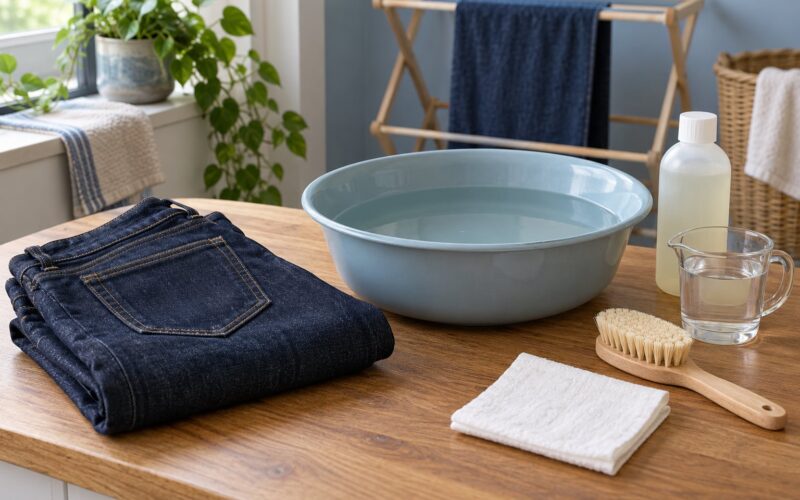
Almost everything is already in the house. The short list keeps you from buying a specialty product before you have tried the cheap options.
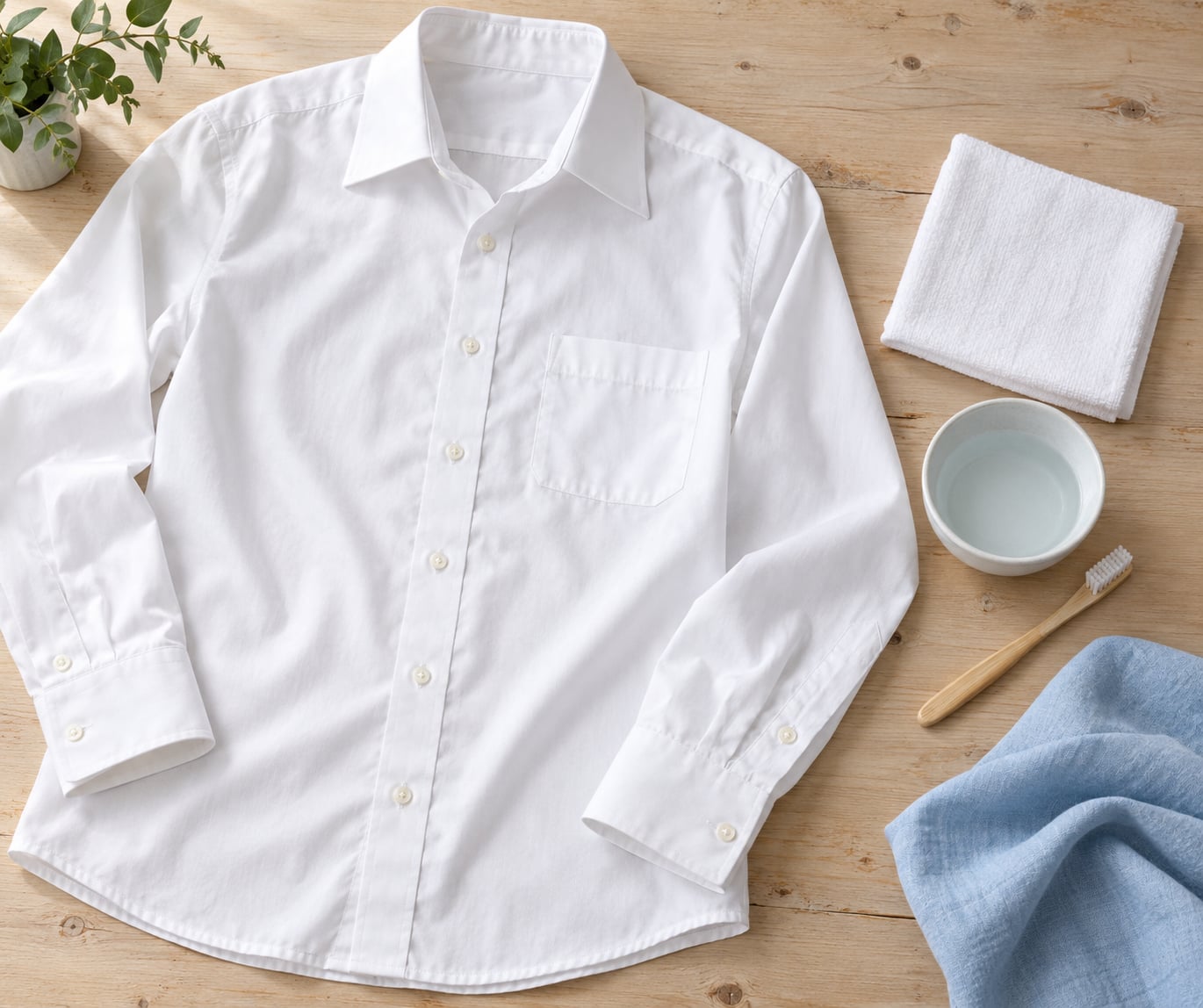
- A clean white cotton cloth or paper towel, for pressing rather than scrubbing
- Laundry detergent or an enzyme stain remover, any brand, as long as the label says it suits your fabric
- White vinegar, for soaking marks that have gone yellow
- Baking soda, for a paste on fresh residue
- A soft-bristled toothbrush, old and reserved for this job
- A bowl or basin large enough to soak the underarm area
- Hydrogen peroxide 3 percent and liquid dish soap, for heavier build-up on whites and light colours only
- Oxygen-based bleach, as the gentler option for colour-safe deep cleaning
- A garment steamer or a hair dryer on cool, optional, to relax a stiff finish after washing
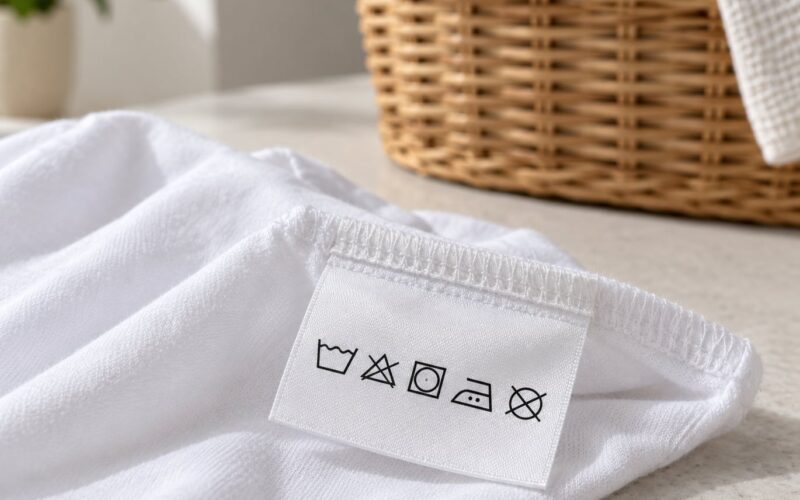
Before anything touches the shirt, read the care label. Machine washable, hand wash, delicate cycle and dry clean only need four completely different approaches, and a treatment that works on cotton poplin can wreck the same colour on viscose.
Then test colourfastness. Dab a little of your treatment on a hidden seam inside the hem with a white cloth, leave it five minutes, and check the cloth. No colour transfer means you can proceed. Any tint on the cloth and you are working with an acid that shifts dye, so move to the gentler method for that fabric.
Step-by-Step
The order matters more than the product. Identify the fabric, spot test, clear off any solid residue, treat, then wash. Skip a stage and you usually end up with a mark that is now set into the fibre rather than sitting on the surface.
How to Remove Deodorant Stains from Shirts
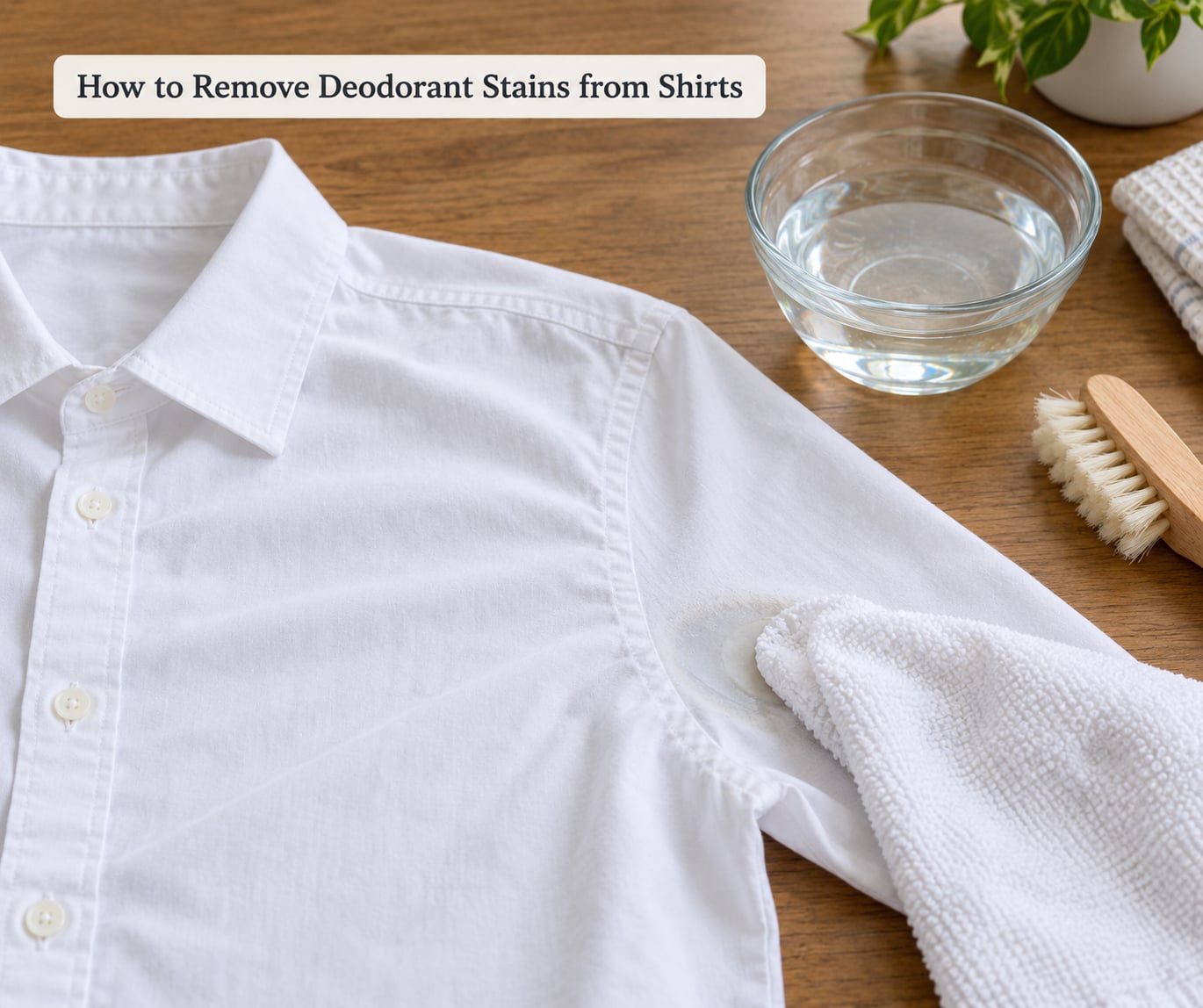
For most washable cotton and cotton blends, the core treatment takes five minutes of actual work.
- Turn the shirt inside out so the stain faces the water, which stops the mark spreading further into the fabric.
- Hold the stained area under cold running water for a minute, flushing from the back of the fabric toward the front so the residue moves out instead of deeper in.
- Apply a small amount of liquid detergent or enzyme stain remover directly to the mark. Undiluted detergent on the spot beats soaking the whole shirt.
- Wait 10 to 20 minutes. You are watching the mark fade into the detergent, not disappearing entirely.
- Work it in gently with a soft toothbrush, using light strokes along the weave. You want the solution moving through the fibres, not the fibre itself worn away.
- Press rather than rub with a clean white cloth, then wash as described below.
You know the treatment is working when the mark has visibly lightened while the shirt is still damp, before any heat has touched it. If the colour is unchanged after the dwell time, move straight to the next method rather than doubling the amount.
For fresh white residue on a coloured shirt, there is a faster trick. Rub a used dryer sheet or a piece of nylon stocking over the mark; the static lifts the waxy film without wetting the dye at all. It handles light marks well and does nothing for yellowing, which is a chemical change rather than a surface deposit.
Delicate, wool, silk and anything labelled dry clean only get one treatment. Lay the garment flat, dampen the area with cool water, blot a small amount of mild detergent into the mark with a cloth, and leave it for no more than ten minutes. Then blot with a clean damp cloth to lift the suds, press out the water with a towel, and let it dry flat away from direct heat. Anything more aggressive, including vinegar, lemon juice, ammonia and alcohol, belongs with a professional.
Treating Set-In or Stubborn Deodorant Marks
A mark that has already been through a wash or a dryer needs a different attack, because it is no longer sitting on the surface. Two options work well, and both start with a soak that the care label permits.
For a yellow mark on a white or light shirt, mix four cups of warm water with one cup of white vinegar, submerge the underarm area for 30 minutes, then rinse in cool water and wash as normal. The acid neutralises what the aluminium salts left behind.
For a heavy, greasy build-up on a coloured shirt, make a paste of three parts baking soda to one part water, spread it thickly over the mark, leave it two hours, and rinse before washing. Baking soda is a mild abrasive, so keep it off silk, wool and anything the label restricts.
On whites and pale colours only, half a cup of hydrogen peroxide in two cups of cool water makes a soak that breaks down the residue itself. Fifteen minutes is plenty. It is a bleach, so keep it away from coloured and dark fabric.
For deep build-up where the label allows, an oxygen-based bleach is safer than chlorine on colour. Follow the packet temperature and soak times, then check the shirt before it goes anywhere near a dryer.
When a stain has resisted one round, repeating the same treatment usually returns the same result. Move up one method at a time instead, and stop after two or three. Past that point, heat, dye damage or fibre damage is usually what you are fighting, and a professional cleaner with a controlled bath will do more for it than a harsher home chemical will.
Washing and Drying the Shirt
Wash on the hottest temperature the care label permits, because heat helps release residue. Cold water sets antiperspirant more often than most people realise, and it is the reason some shirts come out looking worse than they went in.
Use a detergent with enzymes if you have one; they break down protein and waxy residue. Check the care label for a detergent drawer or a no-drum-dispensing machine before you pour it in the wrong place.
Give the shirt a full rinse, or run an extra rinse cycle. Leftover detergent and the treatment you just used keep working in the drum and can dull a colour.
Check the garment while it is still damp and held up to light. Wet fabric hides residue, so let it dry flat first and look again. A mark that disappears while drying was never a real stain.
Air dry, hanging in shade with some airflow. Direct sun is fine for a white shirt, since it helps bleach what is left, but it fades colour. Skip the machine dryer entirely until the mark is completely gone, and skip the iron on the reverse too. If you must press the shirt, use a cloth between the iron and the fabric and keep the heat on low.
Common Mistakes
Almost every ruined shirt traces back to one of these.
Drying before the stain is out. Dryer and iron heat fix residue into the fibre, which is the single most common reason a recoverable mark becomes permanent. Air dry every time until you have confirmed the shirt is clean while dry.
Hot water when the label says otherwise. Washing above the stated temperature can set yellow perspiration stains and cook synthetic fibres. Follow the label, and treat the label as the limit, not a suggestion.
Chlorine bleach on a yellow mark. Bleach is a common instinct for yellow underarms and it backfires, setting the stain in some fabrics. Use an oxygen-based product on colour, and a targeted peroxide soak on whites instead.
Scrubbing hard with a stiff brush. Aggressive scrubbing wears out the weave and spreads the mark. Use a soft-bristled toothbrush with light strokes and let the dwell time do the work.
Ignoring the care label. Vinegar and lemon juice damage silk, ammonia damages wool and silk, and alcohol-based products damage acetate and acrylic. Dry clean only means dry clean only.
Spot testing on the wrong spot. Testing on a hem seam is fine, but testing only on a hidden spot and then soaking the whole shirt is not. A soak exposes far more fabric than a dab does, and a colour that passes the dab can still shift in a bath.
Prevention is easier than any of the above. Let deodorant dry for a few minutes before you put a shirt on, since most marks come from deodorant contacting damp skin, not from sweat alone. Use fewer swipes than you think you need, and let the shirt air out between wears instead of wearing it twice in a day. A cotton undershirt takes the residue instead of the shirt. Washing the shirt soon after a wear, rather than leaving it in a hamper overnight, keeps the mark from bonding to the fabric. And a deodorant labelled aluminium-free is genuinely gentler on colour, though it is not a guarantee of no staining at all, because waxes and oils can still leave a mark on synthetic blends.
Frequently Asked Questions
Does baking soda remove deodorant stains from shirts?
Yes, and it is one of the gentlest options for fresh residue. Mix three parts baking soda with one part water, spread the paste over the mark, leave it for two hours, then rinse and wash. It works as a mild abrasive rather than a solvent, so it is better on waxy buildup than on yellow staining, and keep it off silk and wool.
Can I use hydrogen peroxide on a colored shirt?
Not safely, because hydrogen peroxide is a bleach and will lift the dye. Reserve it for whites and pale colours, and dilute it: half a cup of 3 percent peroxide in two cups of cool water, soaked for about fifteen minutes. For coloured shirts, use an oxygen-based bleach per its packet directions or a detergent pre-treat instead.
Is vinegar safe for removing deodorant marks?
On cotton and cotton blends, yes. Mix four cups of warm water with one cup of white vinegar, soak the underarm for 30 minutes, rinse in cool water and wash as normal. Never use vinegar on silk or wool, where the acid damages the fibre, and always spot test a coloured garment first.
How should I wash a shirt after treating a deodorant stain?
Wash on the hottest temperature the care label allows, with a detergent that contains enzymes if you have one, and run a full or extra rinse so no product is left in the fabric. Then air dry. Check the shirt while it is damp, and again once it is fully dry, before it ever goes near a dryer or an iron.
What works on a deodorant stain on silk or wool?
Very little, and that is the point. These fibres are damaged by vinegar, lemon juice, ammonia and chlorine bleach, and heat can shrink them. Use cool water and a small amount of mild liquid detergent, blot rather than scrub, leave it for ten minutes maximum, then press out the water and dry flat. Dry clean only labels mean a professional.
How do I stop a deodorant stain from setting?
Heat is what sets it. Never machine dry or iron a shirt that still has a mark, and stay under the care label maximum wash temperature, because hot water can fix yellow perspiration stains too. Air dry in shade with airflow, inspect the shirt once it is dry, and only return it to the dryer when no trace remains.
Conclusion
Start with the care label, spot test the treatment on a hidden seam, pre-treat the mark, wash within the stated temperature limits, and air dry. Fresh deodorant stains are always the easiest ones to remove, and a gentle method that works with the fabric beats a harsh one that bleaches the shirt or sets the stain for good.